A frozen epic with a warm heart
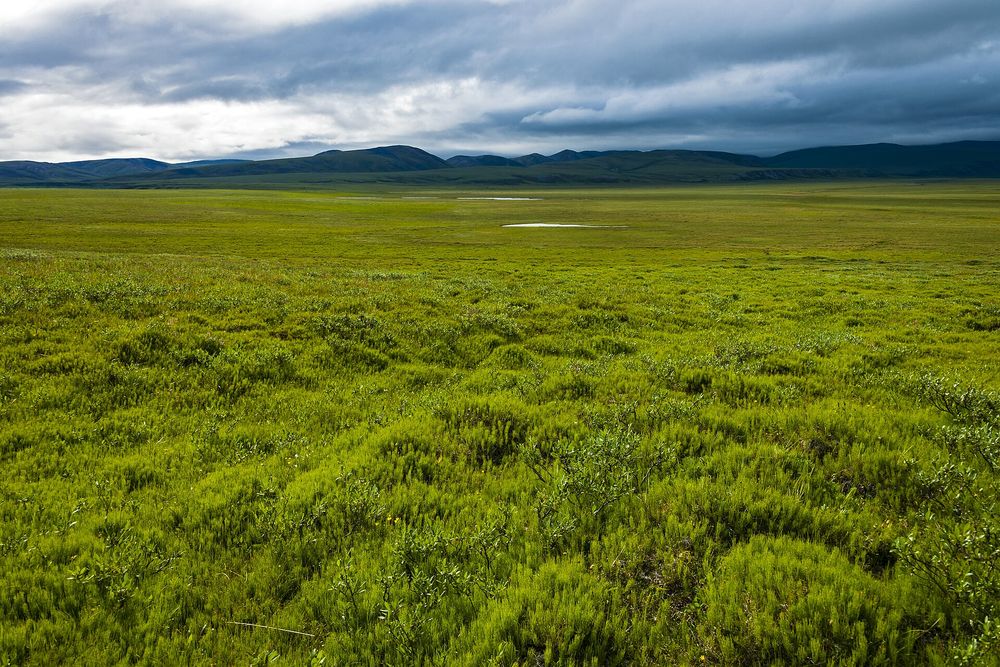
Some fantasy novels announce their world with a map. Tundra does it with weather. From the first pages you feel the cold: plains under a thin crust of ice, glaciers in the east, winters in the north so long that night seems to stay for days, and an aurora that, when it comes, is read as an omen. Diego Bittencourt builds the Land of Chaos the way a good traveller describes a country, by direction, by climate and by what it takes to eat and stay warm.
A world you can feel
That concreteness is the book’s first gift. Warmth here is not a metaphor but a resource, and the struggle over scarce heat, over who has it, who shares it and who keeps it, gives the politics of the story a physical logic that is easy to believe. A confederation of towns that prizes cooperation and an empire that prizes expansion are not just names on a map. Each has a way of surviving, and each way has a cost.
A story built on belief
At its centre is a prophecy, and what interests the author is less whether it is true than what people do because they believe it, or refuse to. Faith can steady a frightened village or justify a war. That keeps the moral landscape pleasantly unsettled: when kingdoms go to war in Tundra, there is not always a clear line between who is right and who is wrong.
The voice
Tundra is told with unembarrassed earnestness. It is a book of long memories, of grievances handed from one generation to the next, and it moves across years rather than days. Its narrator is happy to pause for lore, for a song or a fragment of verse, and for the quiet exchanges that close many chapters and turn from battle to the largest questions: suffering, choice, what survives us. Readers who like their fantasy lore-rich and reflective, in the manner of a saga, will feel at home. Those who prefer to be thrown straight into the fight should know that the book takes its time to show you the world before it asks you to fear for it.
What stays with you
For a book so full of cold, war and loss, Tundra is oddly tender. It keeps returning to hope, to people who keep walking when the weather and history say stop. The dedication, to the resilient, to those who had the courage to follow their dreams, is the best key to its tone.
Who it is for
Anyone who loves epic fantasy: rival kingdoms, ancient magic, a rumour of dragons told in song, and a land where survival is already a battle. If you want a place to start with the genre itself, begin with our short history of high and epic fantasy, then step into the cold. A generous, atmospheric, big-hearted novel, best read slowly. Content note: war, loss and violence.
Based on a reading of the original Portuguese edition, Tundra: A Terra do Caos, on which the English edition is based.