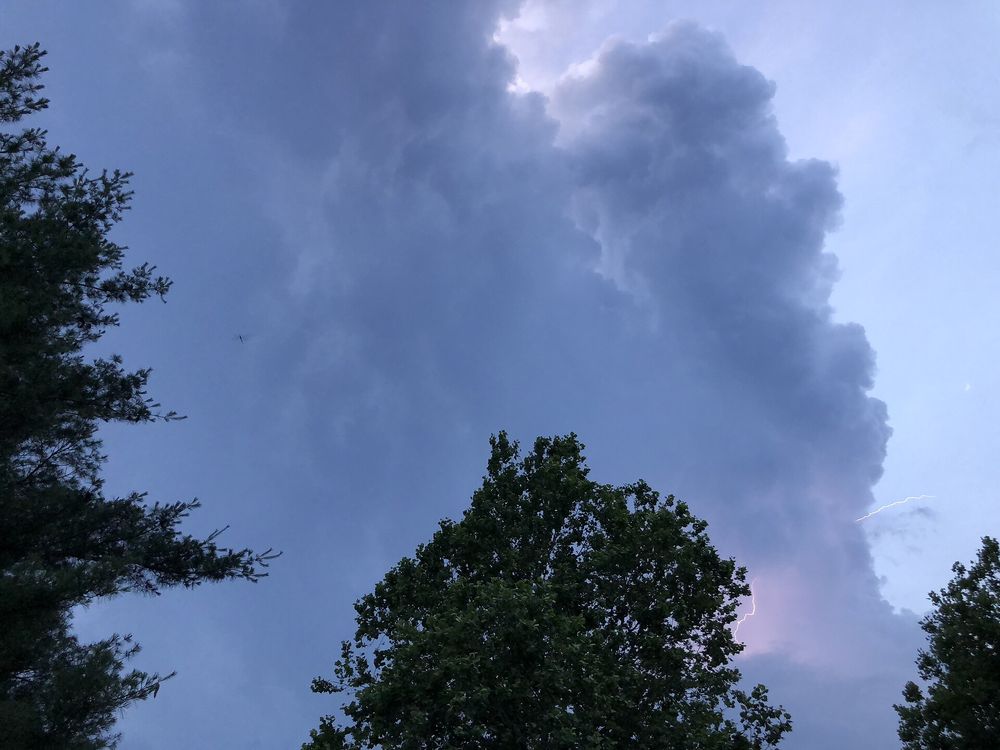
How Thunderstorms Form and Lightning Strikes
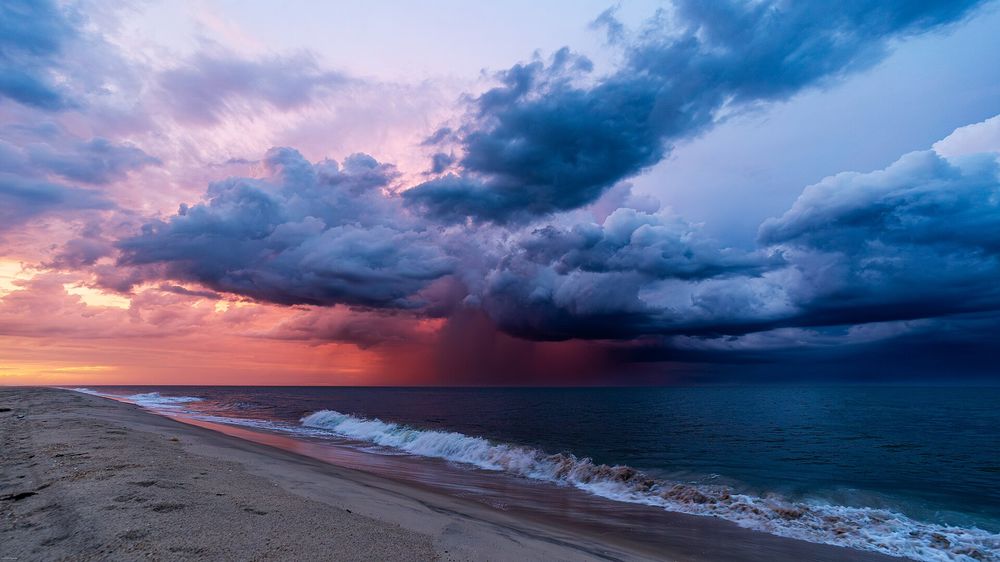
Vigorous updrafts, ice crystal collisions and powerful electrical channels turn turbulent atmospheric moisture into nature's most intense discharges.

Literature, culture, stories and plenty of news.
Weather events, seasons and the science of the sky — reported plainly.
Vigorous updrafts, ice crystal collisions and powerful electrical channels turn turbulent atmospheric moisture into nature's most intense discharges.
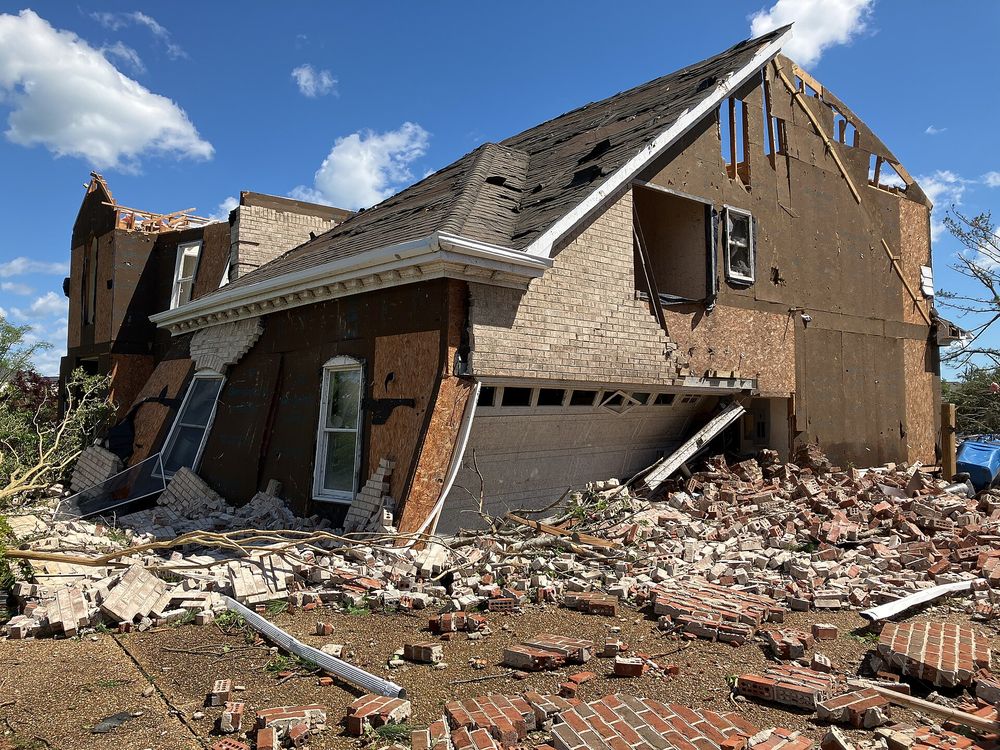
Tornadoes receive their strength categories not from direct wind measurements, but from structural damage assessed by ground surveys after the storm.
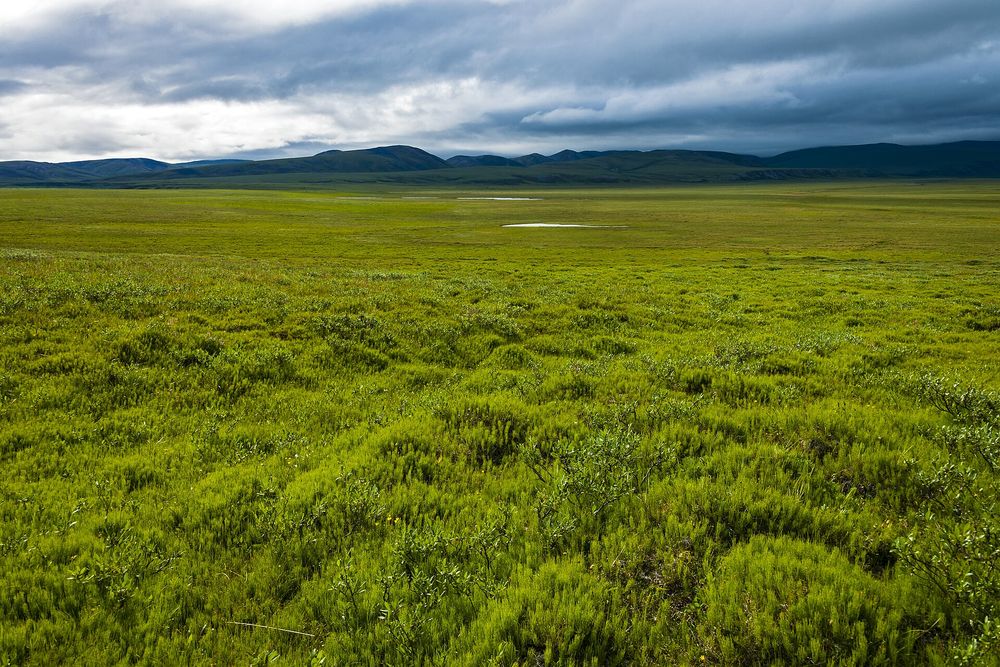
Frigid temperatures, permafrost and short growing seasons shape the tundra across polar and alpine landscapes.
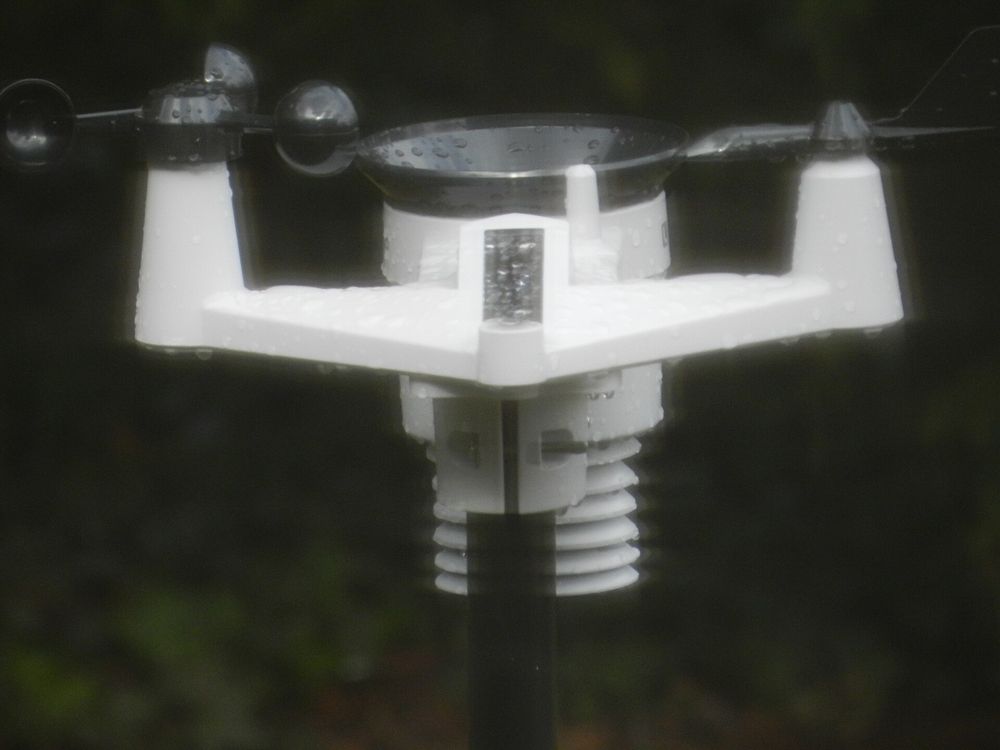
The index measures the rate at which moving air strips heat from exposed skin, but inanimate objects can never cool below the actual air temperature.
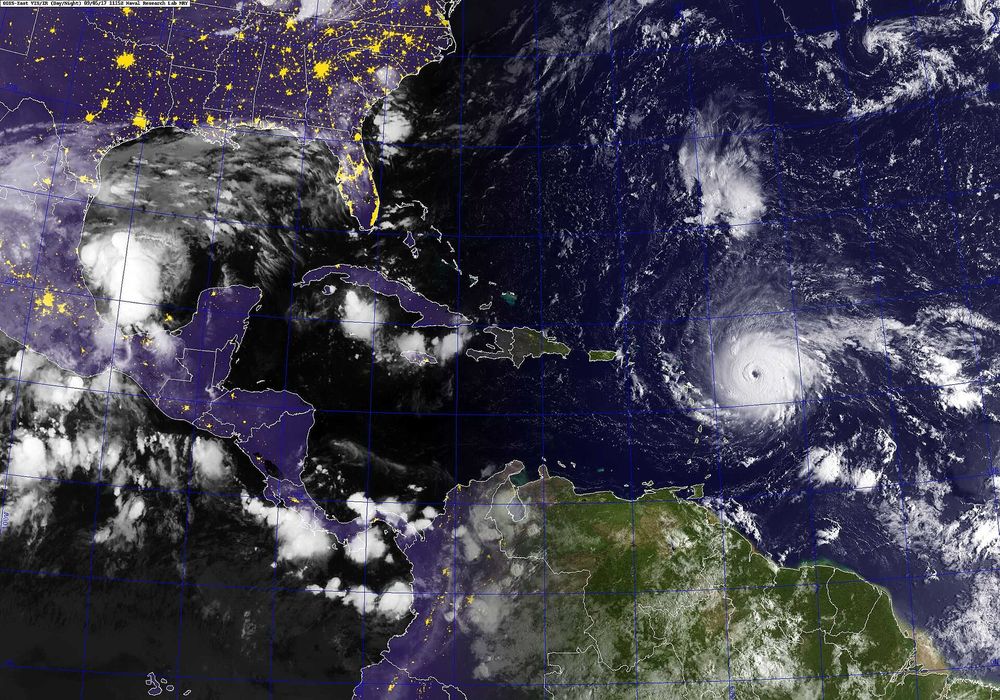
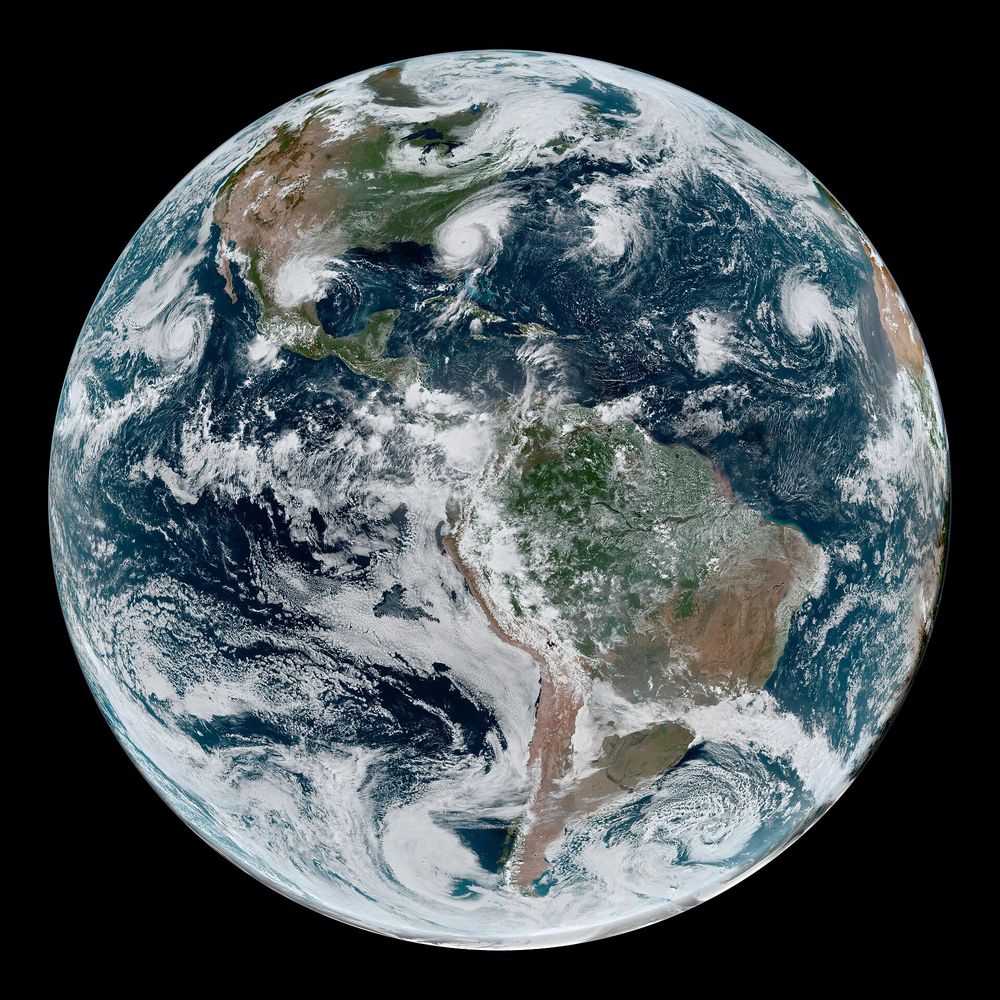
The five hurricane categories rate sustained wind speed alone, leaving deadly storm surge and extreme rainfall entirely off the scale.
The two opposing phases of the ENSO climate cycle alter trade winds, shift jet streams and disrupt rainfall patterns across the globe.
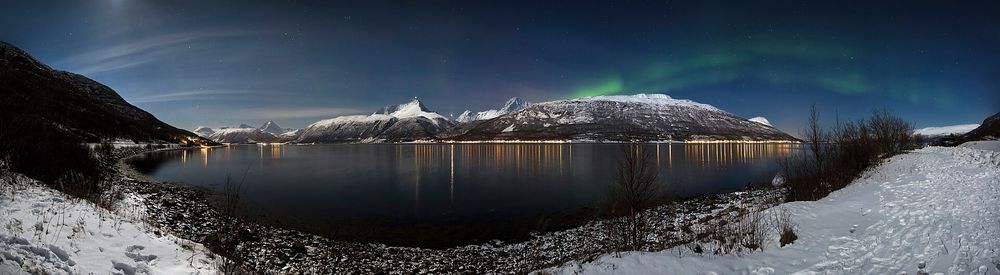
Auroras appear when solar particles collide with atmospheric gases, producing distinct colours based on altitude and chemistry.
Predetermined lists managed by regional warning centres help forecasters avoid confusion when multiple storms churn across the oceans.
Forecasters track an offshore system near the mid-Atlantic as winter predictions point to widespread seasonal shifts.
Five regional bodies set tropical cyclone names from pre-agreed lists; the US hurricane centre says an Atlantic name is retired only if a storm is deadly or costly enough.
A short selection of stories, books and ideas to carry through your week.