El Niño and La Niña: How Pacific shifts sway world weather
The two opposing phases of the ENSO climate cycle alter trade winds, shift jet streams and disrupt rainfall patterns across the globe.
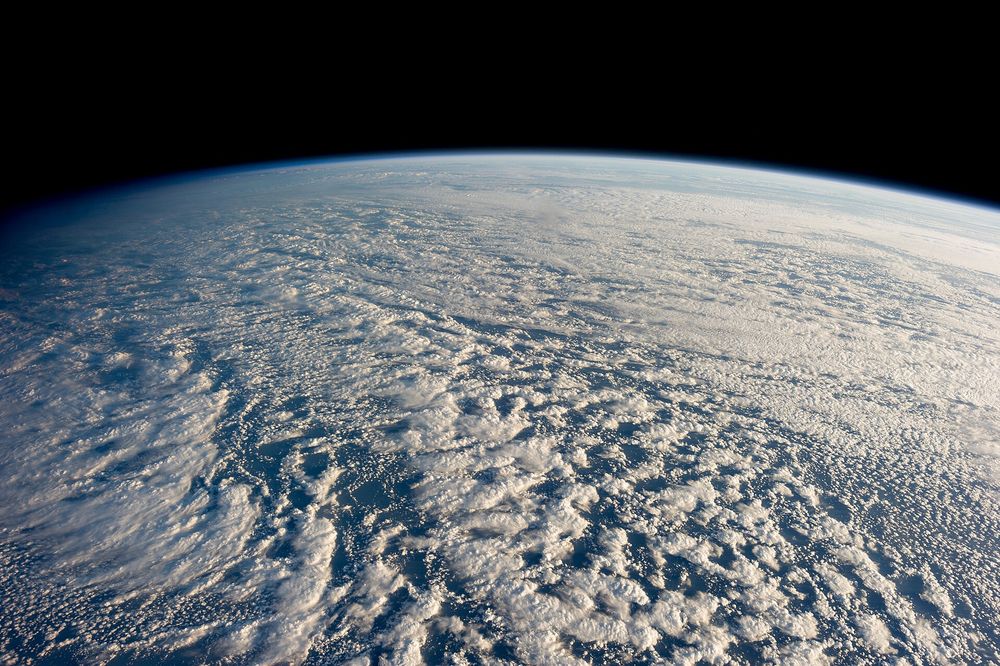
Across the equatorial Pacific Ocean, a coupled dance between the atmosphere and the sea quietly governs weather conditions worldwide. Known formally as the El Niño–Southern Oscillation (ENSO), this single natural climate phenomenon swings between two contrasting phases—El Niño and La Niña—separated by neutral interludes, according to the US National Oceanic and Atmospheric Administration (NOAA)[1][2].
These shifts alter ocean surface temperatures, weaken or strengthen trade winds, and redirect atmospheric circulation, with knock-on effects for storms, droughts, ecosystems, and fisheries across multiple continents[1][3].
The mechanics of normal conditions
To understand the extremes, forecasters first look at what happens when the Pacific is stable. Under normal conditions, trade winds blow steadily westward along the equator, carrying warm surface water away from South America towards Asia and Australasia, explains NOAA’s National Ocean Service[1].
As that warm water moves west, colder water rises from the ocean depths along the western coast of the Americas in a process known as upwelling[1]. Because warm water piles up in the west, sea levels near Indonesia sit roughly 0.5 metres (1.5 feet) higher than those off the coast of Peru, while sea surface temperatures in the western Pacific can be 8 to 10 °C (14 to 18 °F) warmer than in the east, according to Wikipedia’s compilation on the phenomenon[3].
What happens during El Niño
During an El Niño event, this east-to-west system falters. The trade winds weaken, allowing warm water to surge back eastwards across the equator toward the Americas[1]. Peruvian fishermen first noted this surge centuries ago, calling it El Niño de Navidad—referring to the newborn Christ child—because the warming waters typically peaked around December, according to NOAA and historical records[1][3].
As warm water gathers in the central and eastern Pacific, upwelling slows down or halts entirely[1]. This deprives surface waters of deep-sea nutrients, cutting phytoplankton populations and disrupting marine food webs, though warm-water species like yellowtail and albacore tuna can spread into usually colder zones, NOAA notes[1].
In the atmosphere, this shift causes the Pacific jet stream to travel south of its neutral position and spread further east[1]. During winter, this change produces wetter-than-usual conditions and increased flood risks across the US Southeast and Gulf Coast, while leaving northern parts of the United States and Canada warmer and drier than usual[1]. In Australia, El Niño brings higher surface air pressure and tends to reduce rainfall across the eastern and northern regions[3].
The opposite phase: La Niña
La Niña—Spanish for “Little Girl” and historically termed El Viejo or “anti-El Niño”—acts in reverse[1][3]. During La Niña periods, the easterly trade winds strengthen beyond their normal pace, pushing even more warm water towards Asia[1].
This vigorous movement intensifies cold-water upwelling off South America, pulling chilled, nutrient-dense water to the surface[1]. This environment supports richer marine life, drawing species like squid and salmon towards the California coast, according to NOAA[1].
In the atmosphere, the cooler ocean temperatures push the jet stream northwards, causing it to weaken over the eastern Pacific[1]. This alignment drives heavy precipitation and flooding in Canada and the Pacific Northwest, while exposing the southern United States to warmer, drier weather and drought[1]. NOAA also notes that La Niña conditions can lead to a more severe hurricane season[1].
Cycles, feedbacks, and predictability
Neither phase arrives on a strict calendar. Episodes typically last between nine and 12 months, though they can persist for multiple years[1]. On average, cycles repeat every two to seven years, with El Niño generally appearing more frequently and La Niña events sometimes lasting longer, according to NOAA and scientific summaries[1][3].
A critical mechanism behind ENSO is the Bjerknes feedback, named after meteorologist Jacob Bjerknes, who outlined in 1969 how ocean temperatures and trade winds reinforce one another in a positive feedback loop[3]. When trade winds slacken, eastern ocean temperatures warm, which further dampens the winds[3]. However, as warmer surface waters in the west become depleted, the system eventually swings back towards neutral or reverses into the opposite phase[3].
To declare an episode, NOAA’s Climate Prediction Center checks whether average sea surface temperatures in the equatorial Pacific’s Niño-3.4 region deviate by at least 0.5 °C (0.9 °F) from normal for an extended period alongside paired atmospheric shifts, according to Climate.gov[2]. When neither pattern dominates, the ocean enters an ENSO-neutral state, making seasonal shifts in rainfall and storm tracks harder to anticipate[2].