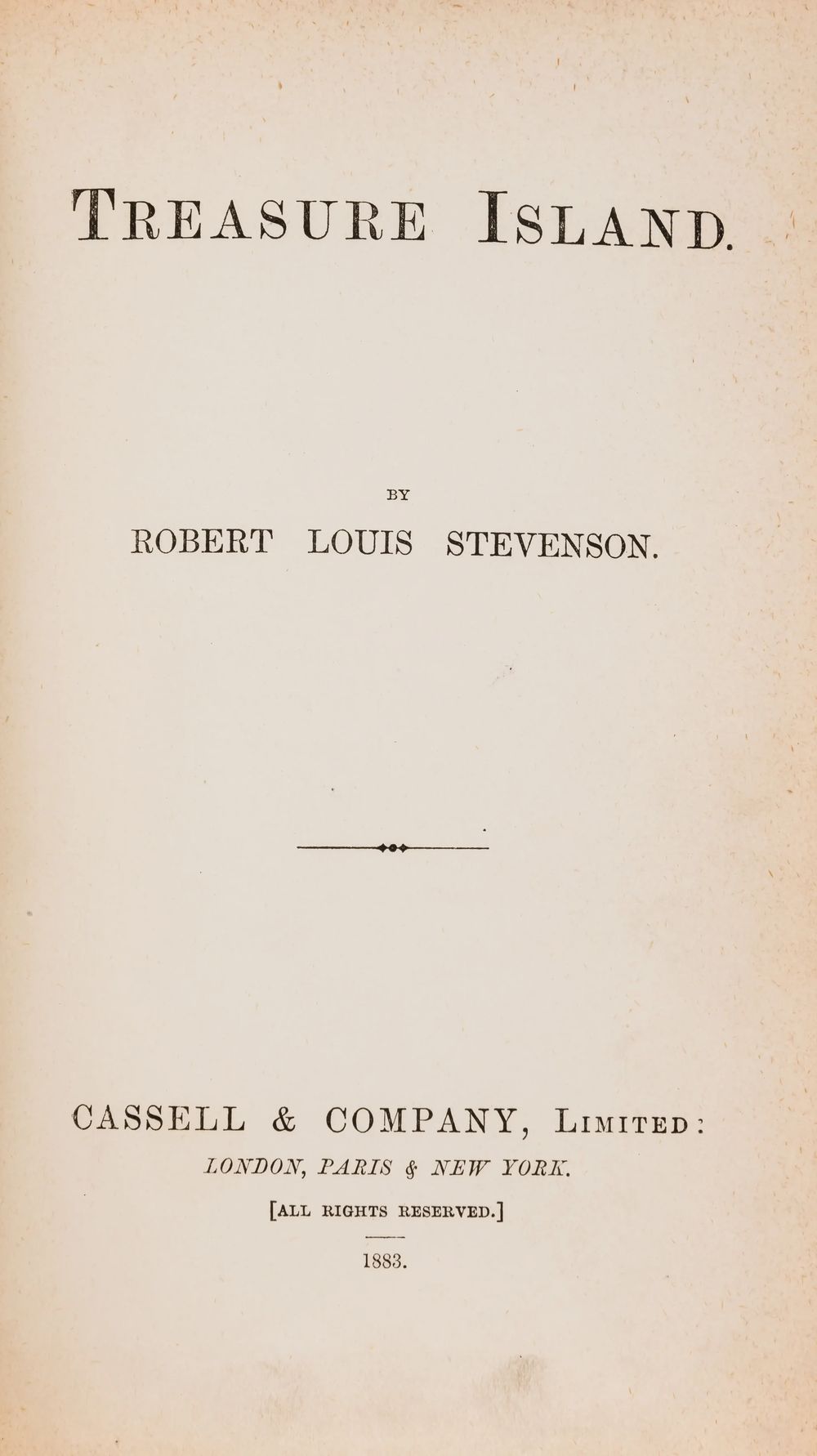
Treasure Island review: the adventure story that wrote the template
Robert Louis Stevenson's pirate novel gave us treasure maps, one-legged sea cooks and a boy narrator, and it is still a pleasure.

Literature, culture, stories and plenty of news.
Considered reviews of new books and enduring classics, with no spoilers and no hype.
Robert Louis Stevenson's pirate novel gave us treasure maps, one-legged sea cooks and a boy narrator, and it is still a pleasure.
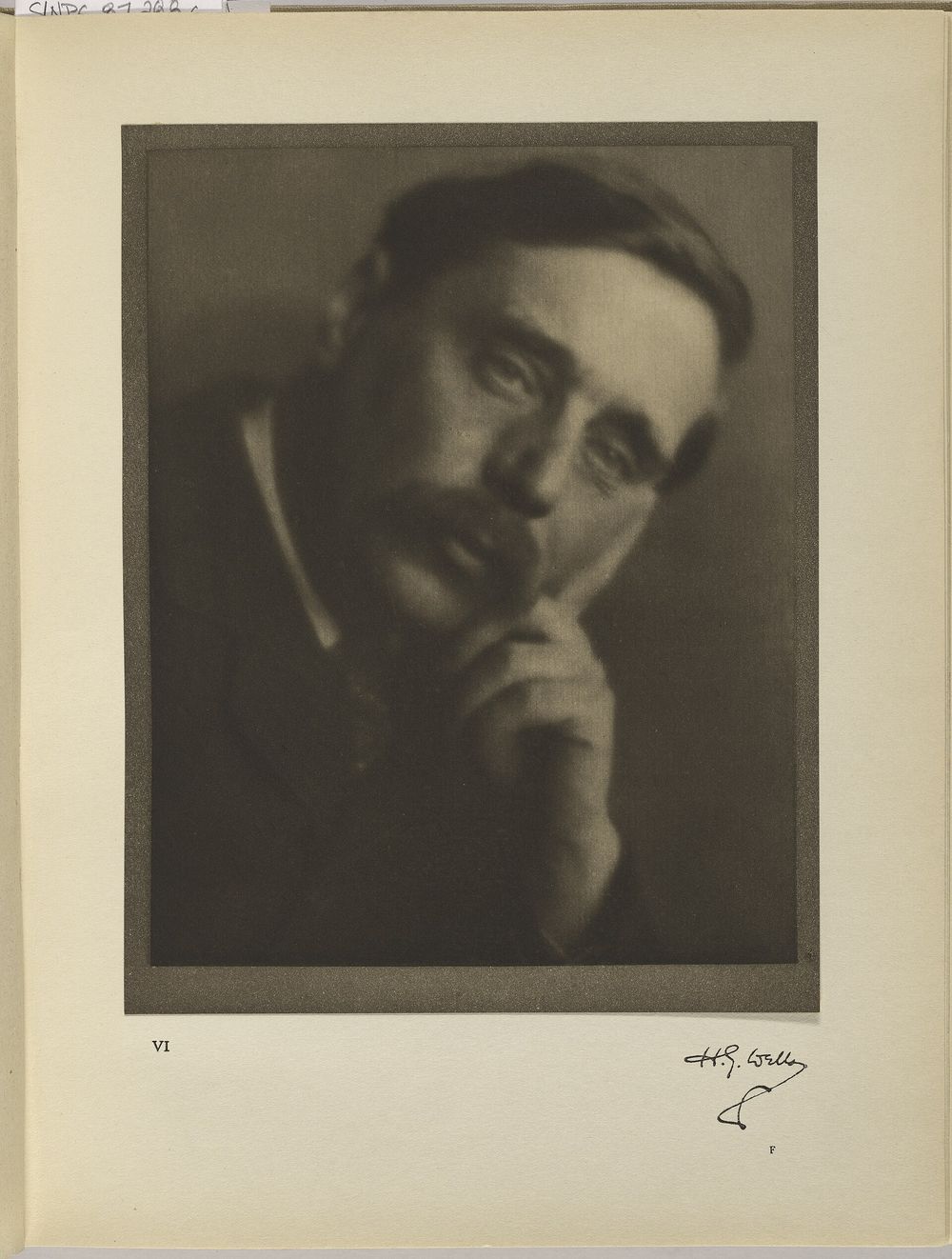
H. G. Wells launched time travel as a modern genre in about 32,000 words, with a dinner-table argument and an idea that still feels alive.
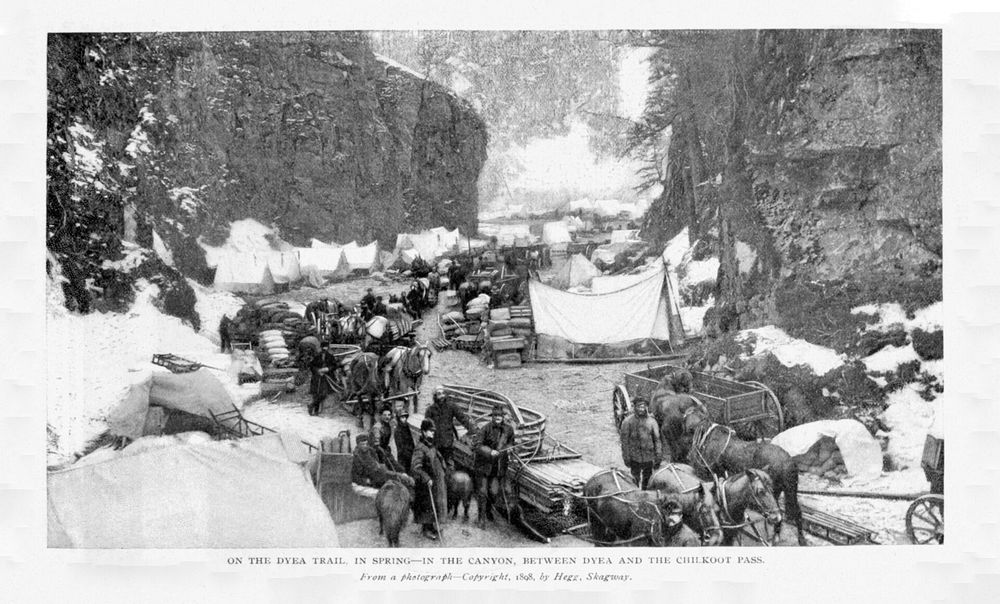
Jack London's tale of a dog taken north in the Klondike Gold Rush is lean, vivid and surprisingly deep for its 32,000 words.
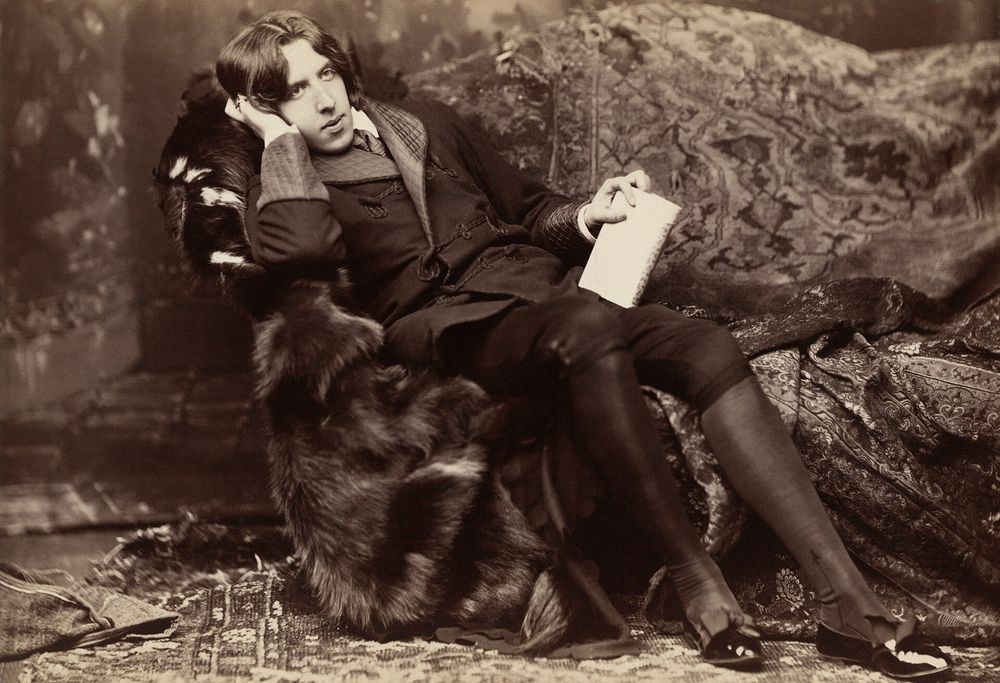
Oscar Wilde's only novel mixes epigram and unease: a dazzling book that is also a quiet argument about beauty and consequence.
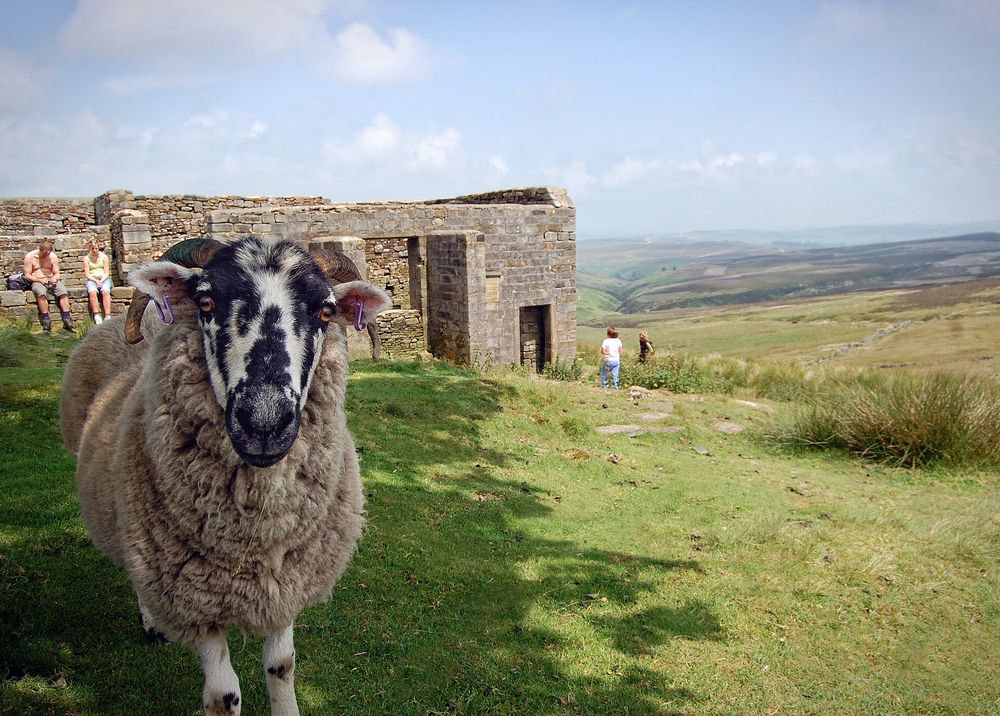
Emily Brontë's only novel is a strange, stormy book about love as a force of nature, told through narrators who may not be reliable.
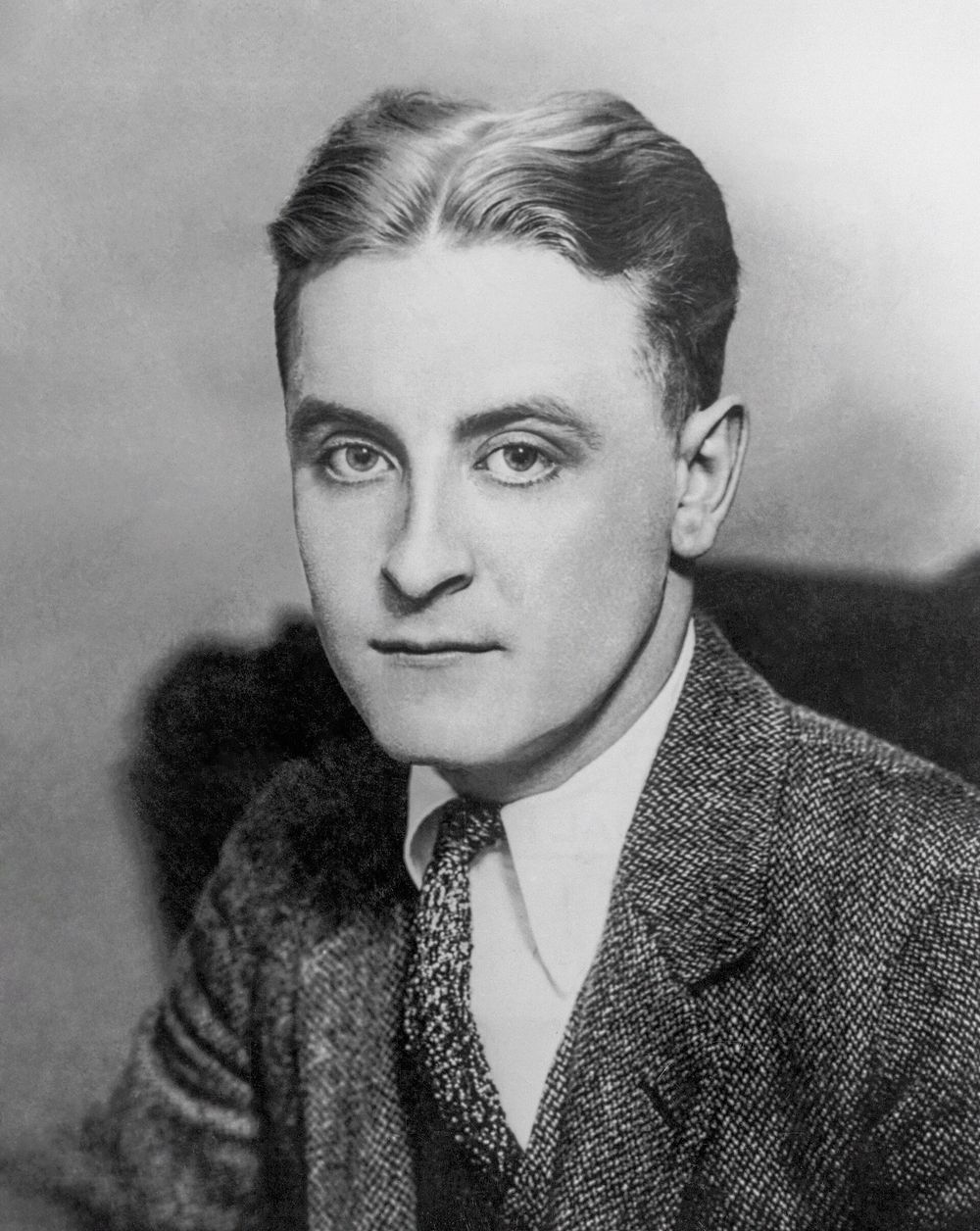
F. Scott Fitzgerald's 1925 novel is under 50,000 words and still one of the most carefully built books of its century.
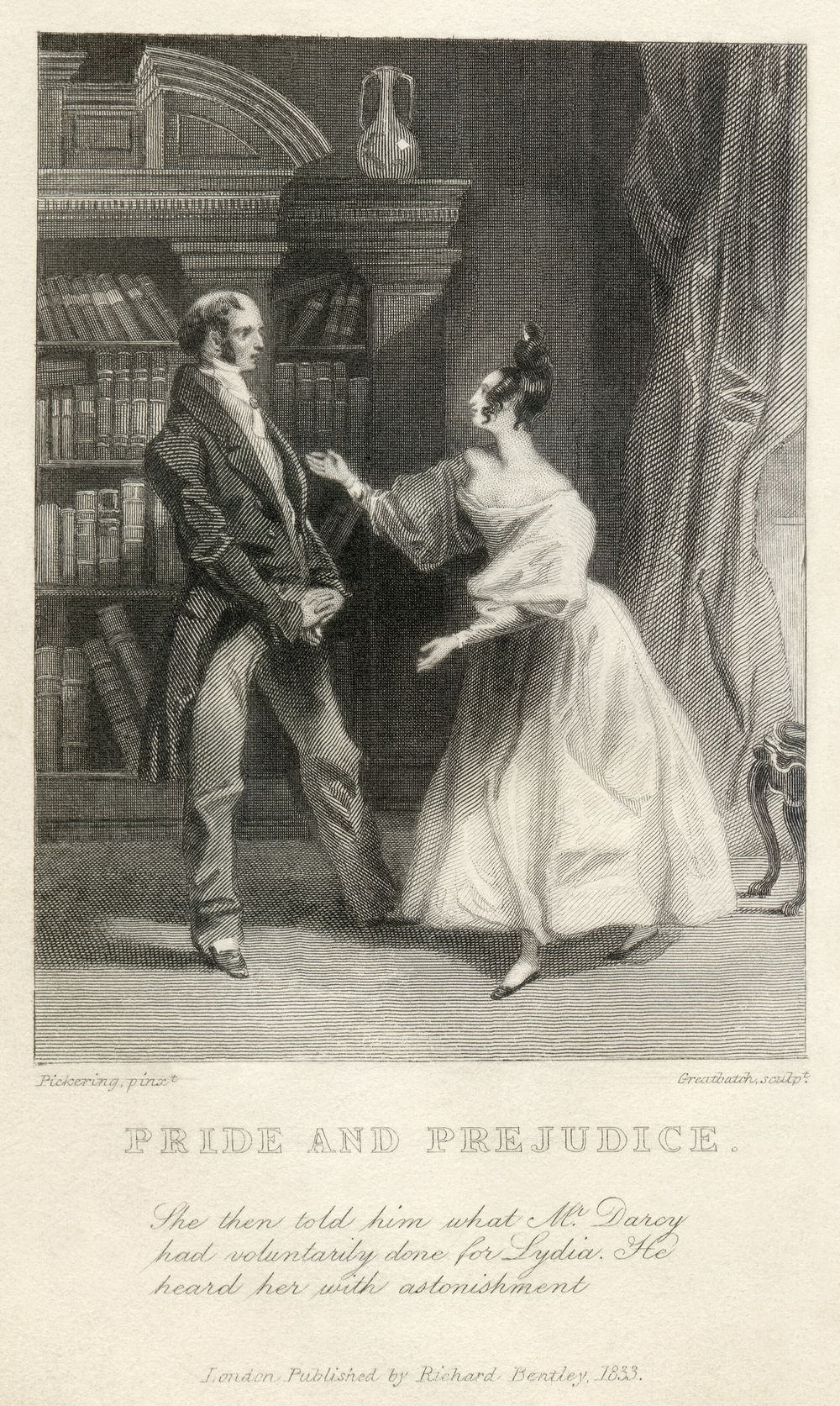
Jane Austen's most famous novel opens with a joke about marriage and never stops being funny, or clear-eyed about money.
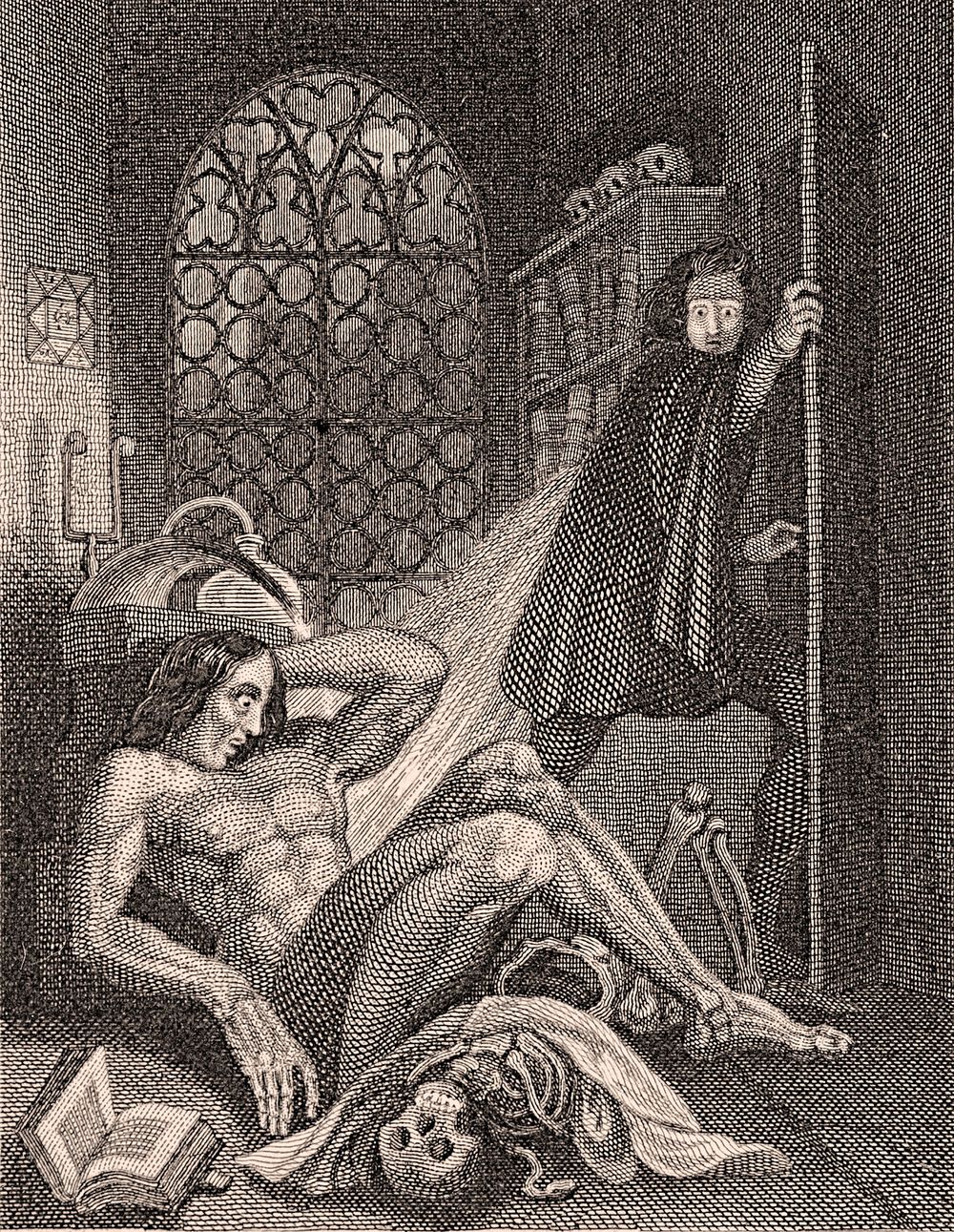
Begun when its author was 18, the novel remains the sharpest book we have about what we owe the things we make.
A short selection of stories, books and ideas to carry through your week.