What the Saffir-Simpson Scale Does Not Measure
The five hurricane categories rate sustained wind speed alone, leaving deadly storm surge and extreme rainfall entirely off the scale.
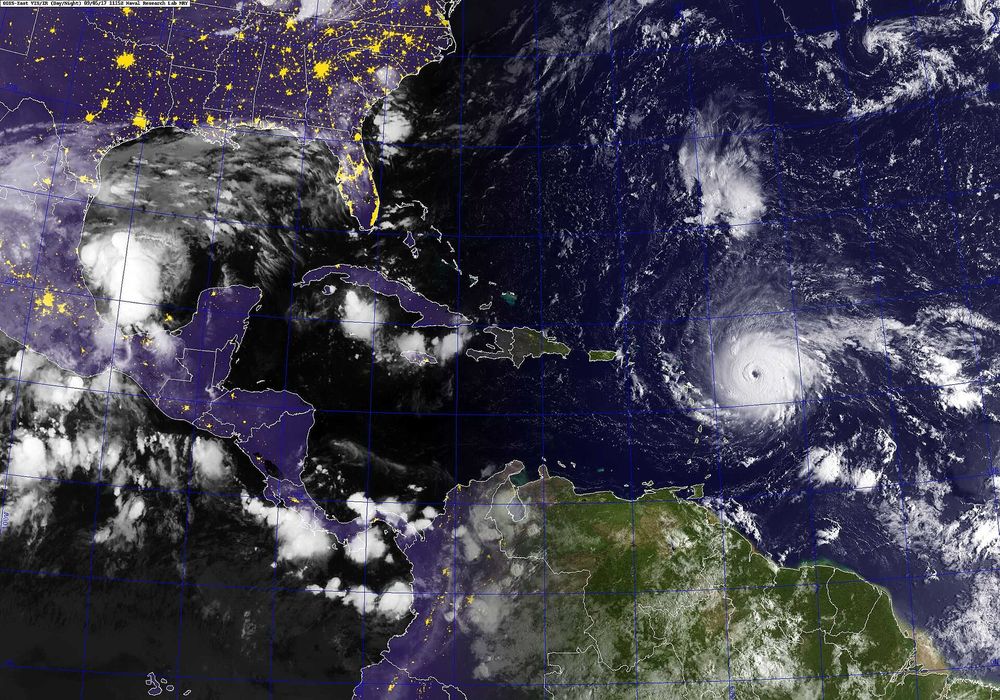
When coastal communities prepare for approaching tropical systems, the single digit assigned to a hurricane often dictates the public perception of risk. Yet according to the US National Hurricane Center (NHC), the Saffir-Simpson Hurricane Wind Scale is a 1 to 5 rating based only on a storm’s maximum sustained wind speed [1]. It offers an estimate of potential property damage caused by wind, but leaves out the deadliest threats tropical cyclones bring ashore, including storm surge, torrential rain, inland flooding and tornadoes [1].
Understanding the mechanics and limits of the scale explains why lower-category storms can still produce catastrophic consequences.
From Housing Engineering to Operational Scale
The scale began as an engineering assessment in 1969, when civil engineer Herbert Saffir was commissioned by the United Nations to evaluate low-cost housing in hurricane-prone zones, according to historical records documented by Wikipedia [2]. Realising that no straightforward framework existed for describing the effects of approaching storms, Saffir devised a 1-to-5 grading system based on wind gust speeds and structural damage [2].
In 1971, Saffir shared the concept with meteorologist Robert Simpson, then the director of the NHC, who replaced the term “grade” with “category” and incorporated storm surge and central barometric pressure ranges [2]. The scale was introduced to the general public in 1973 and saw widespread operational adoption after Neil Frank succeeded Simpson as director in 1974 [2].
For decades, the categories included estimates for storm surge height and central barometric pressure. However, real-world events showed those additions could be dangerously misleading. According to Wikipedia, the NHC eliminated surge and pressure parameters in 2009 after storms such as Hurricane Katrina in 2005 and Hurricane Ike in 2008 produced surge levels far higher than their wind categories implied [2]. The revision became operational on 15 May 2010, formally narrowing the system to the Saffir-Simpson Hurricane Wind Scale [2]. Surge forecasting was subsequently handed over to dedicated numerical computer models [2].
The Five Categories
In the Atlantic and eastern North Pacific basins, sustained wind is evaluated as the maximum wind speed averaged over a one-minute duration at an elevation of 10 metres (33 ft), reported Wikipedia [2]. The NHC groups storms into five bands, with systems reaching Category 3 or higher designated as “major hurricanes” [1]:
- Category 1 (74–95 mph / 119–153 km/h): Produces dangerous winds capable of snapping large tree branches, toppling shallow-rooted trees, damaging shingles and vinyl siding on well-constructed frame houses, and causing power cuts lasting several days [1].
- Category 2 (96–110 mph / 154–177 km/h): Extremely dangerous winds cause substantial roof and siding damage to homes, uproot many trees, and lead to near-total electrical outages lasting days to weeks [1].
- Category 3 (111–129 mph / 178–208 km/h): Devastating damage occurs, with structural failure on roof decking and gable ends of framed houses, blocked roads from fallen trees, and water and power lost for several weeks [1].
- Category 4 (130–156 mph / 209–251 km/h): Brings catastrophic winds that can remove exterior walls and major roof structures, snap most trees, isolate neighbourhoods, and leave areas uninhabitable for weeks or months [1].
- Category 5 (157 mph / 252 km/h or higher): The highest designation on the scale; a high proportion of framed homes are destroyed through collapsed walls and total roof failure, alongside long-lasting power and water outages [1].
To address unit conversion anomalies, the NHC slightly adjusted the boundaries for Category 4 in 2012 to 130–156 mph (113–136 knots, 209–251 km/h), making the revision operational on 15 May 2012, recorded Wikipedia [2].
Blind Spots and Category Debates
Because the Saffir-Simpson scale reflects only wind speed at the storm’s core, it cannot communicate the physical size of a cyclone, the speed at which it moves across land, or the volume of rain it drops [2]. As Wikipedia noted, a Category 2 hurricane striking a major population centre can cause far greater cumulative destruction than a Category 5 storm making landfall along an unpopulated coast [2].
Some scientists have argued for continuous damage indices or separate scales that measure rainfall, storm surge and central pressure deficits alongside wind [2]. There have also been recurring discussions regarding a potential Category 6 threshold, suggested by researchers as beginning around 192 mph (309 km/h) or higher in light of warming ocean waters [2]. However, Simpson opposed adding a sixth category, noting in a 2001 interview that sustained winds above 155 mph cause structural ruptures to buildings regardless of engineering [2]. As of October 2025, no official sixth category has been adopted [2].
For residents in the path of any cyclone, the NHC warns that storms of all categories can unleash fatal storm surge, inland flooding and tornadoes, meaning emergency preparations and evacuation orders must never depend on the wind number alone [1].