Why tropical cyclones get names, and who chooses them
Predetermined lists managed by regional warning centres help forecasters avoid confusion when multiple storms churn across the oceans.
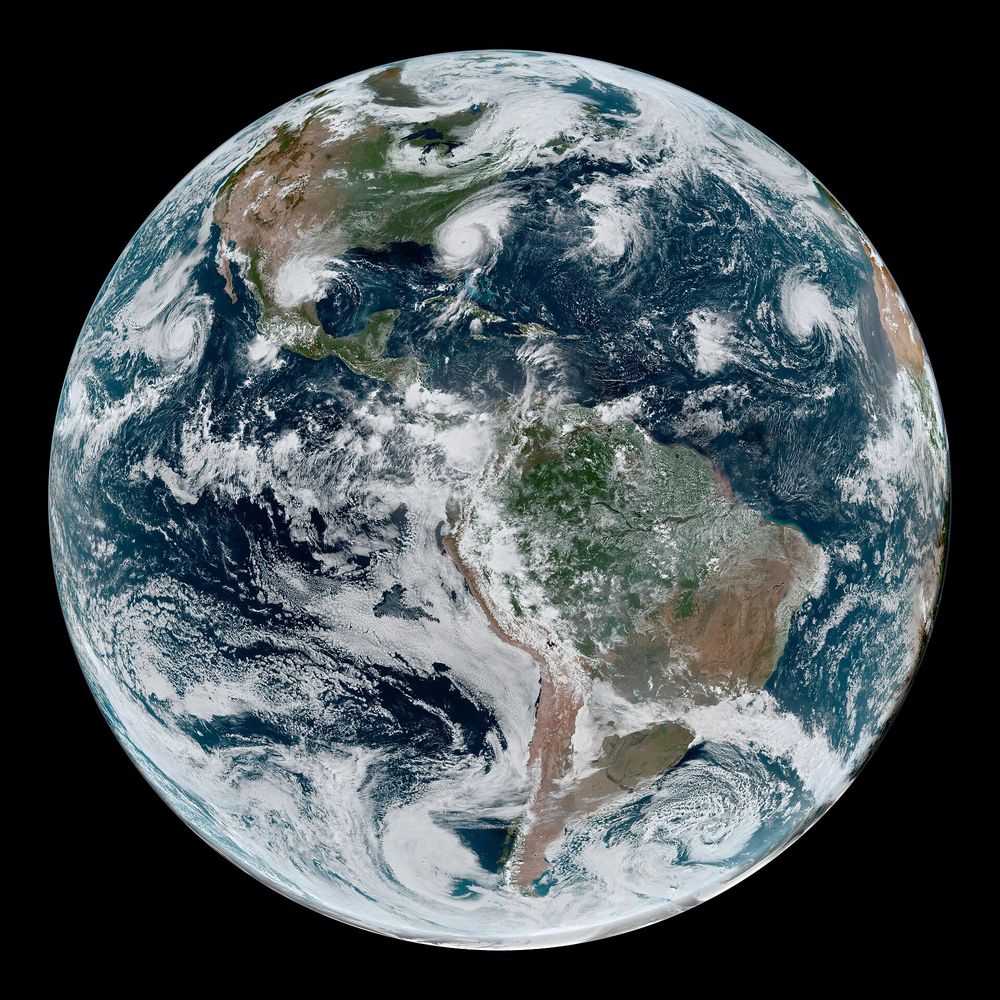
Tropical cyclones across the globe are given human names and specific titles to simplify communication between meteorologists and the public during severe weather watches and warnings [2]. Forecasters assign these predetermined identifiers primarily to avoid dangerous confusion when concurrent storms develop in the same ocean basin at the same time [2].
Before the implementation of formal naming catalogues, storms were routinely designated by the places they struck, objects, or the feast days of saints on which they made landfall [2]. The convention of assigning personal first names to weather systems is credited to Queensland government meteorologist Clement Wragge, who began naming systems in Australia between 1887 and 1907 [2]. Although the practice lapsed following Wragge’s retirement, military meteorologists revived it during the latter part of the Second World War in the Western Pacific, laying the groundwork for the modern global framework [2].
The thresholds for naming
Today, tropical systems are officially designated across eleven distinct warning centres operated under the auspices of the World Meteorological Organization (WMO) [^1, ^2]. A storm is typically assigned a name once it achieves sustained wind speeds of at least 34 knots (63 km/h; 39 mph), reaching tropical storm intensity [2].
However, specific rules and thresholds vary slightly between marine regions [2]. In the Southern Hemisphere, systems generally require a significant distribution of gale-force winds around the circulation centre before receiving an official title [2]. In the Western Pacific, the Philippine Atmospheric, Geophysical and Astronomical Services Administration (PAGASA) assigns local names even earlier, designating systems as soon as they form into tropical depressions within its monitoring perimeter, which often leads to storms carrying dual names alongside international designations [2].
Rotating lists and regional rosters
Different ocean basins adhere to distinct roster formats to track storms throughout each meteorological year [^1, ^2]:
- North Atlantic: The United States National Hurricane Center (NHC) maintains six alphabetical lists of 21 names that alternate between male and female entries, cycling in rotation every six years [^1, ^2]. The letters Q, U, X, Y, and Z are excluded [^1, ^2]. If more than 21 storms form in a single Atlantic season, meteorologists draw names from an approved supplemental list [^1, ^2].
- Eastern North Pacific: The NHC oversees six 24-name rosters that skip the letters Q and U, recycling the entire sequence every six years [^1, ^2].
- Central North Pacific: The Central Pacific Hurricane Center in Honolulu relies on four continuous lists of traditional Hawaiian names, advancing to the next consecutive entry on the roster regardless of calendar years [^1, ^2].
- Western Pacific: The Japan Meteorological Agency assigns international names taken sequentially from five lists contributed by 14 member nations of the ESCAP/WMO Typhoon Committee [2]. Meanwhile, domestic media in Japan continue to identify storms primarily by annual numbers [2].
- Indian Ocean and Australian waters: Regional services, including the India Meteorological Department, Météo-France, Météo Madagascar, the Mauritius Meteorological Services, and the Australian Bureau of Meteorology, draw from dedicated continental tables based on longitudinal boundaries [2].
Retiring notorious storms
A name does not stay in circulation indefinitely [^1, ^2]. According to the National Hurricane Center, if a cyclone proves so deadly or costly that future usage would be inappropriate for reasons of sensitivity, the offending name is permanently retired [1].
Members of the relevant WMO regional committees review nominated names at their annual meetings [^1, ^2]. If a consensus agrees on a storm’s historical notoriety, the name is stricken from the active rotation, and member states vote on an approved replacement for subsequent cycles [^1, ^2].