How tornadoes are rated: the Enhanced Fujita scale
Tornadoes receive their strength categories not from direct wind measurements, but from structural damage assessed by ground surveys after the storm.
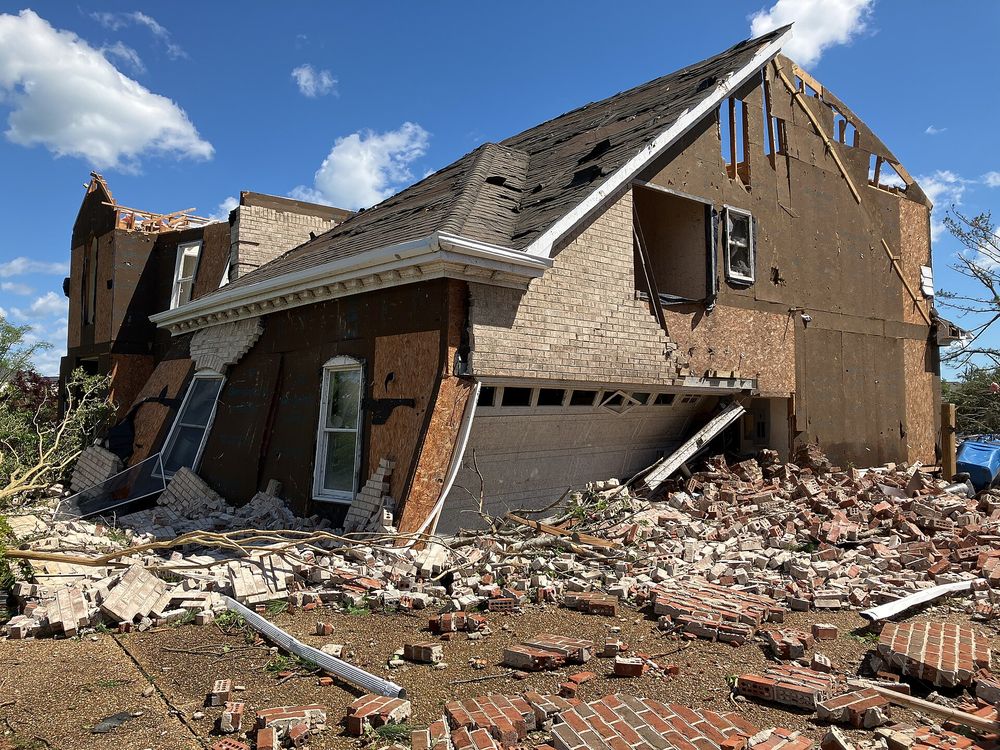
When a severe storm tears through a community, the rating it receives is often mistaken for a real-time anemometer reading. In reality, scientists almost never measure the wind inside a tornado directly. Instead, official ratings rely on ground surveys conducted after the vortex has dissipated, evaluating the destruction left in its wake.
According to the US National Weather Service (NWS), the Enhanced Fujita (EF) scale is used to assign a tornado a rating based on estimated wind speeds and related damage[1]. The system took operational effect in the United States on 1 February 2007, replacing the original Fujita scale devised in 1971 by meteorologist Ted Fujita[1][2]. Canada adopted a modified version in 2013, and adapted versions are used in France and Brazil, among other countries[2].
Why winds are estimated, not measured
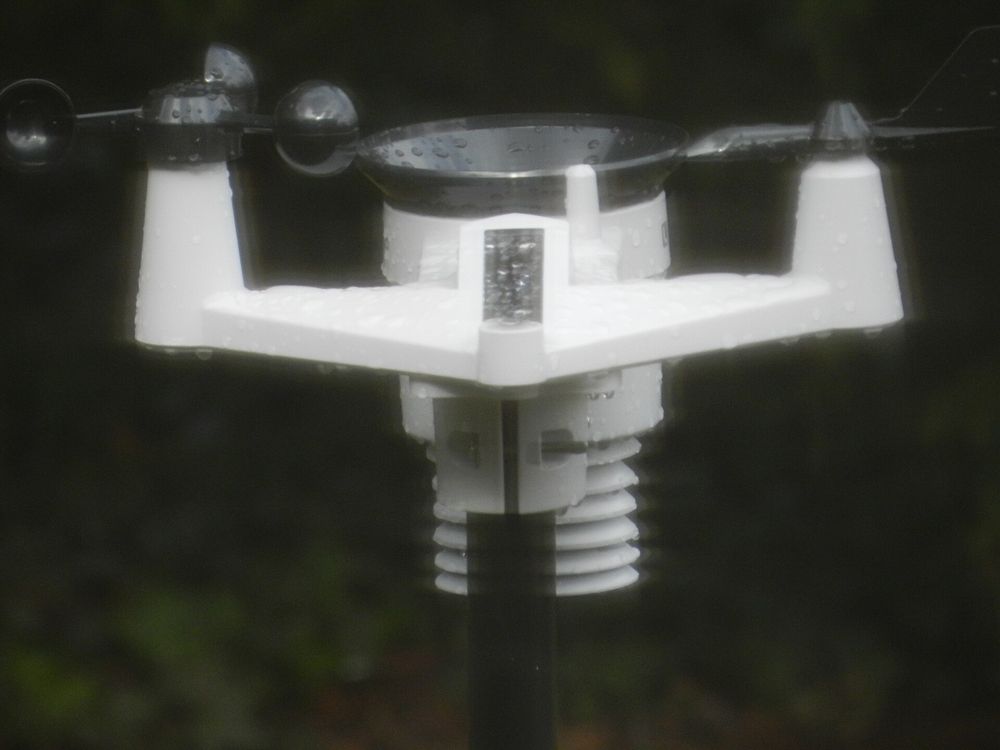
Standard surface weather stations measure sustained wind speeds across fixed intervals, but these instruments rarely survive a direct hit from a violent vortex[1]. Moreover, tornadoes often strike open land far from ground sensors.
Because direct readings are rarely available, the EF scale relies on estimated three-second wind gusts calculated at the point of impact[1]. According to the National Weather Service, the scale is a set of wind estimates based on damage rather than measurements, varying with height and exposure[1].
These estimates do not come from direct physical modelling of each storm. According to Wikipedia’s overview of the scale, the wind speeds were established through “expert elicitation”, combining decades of engineering studies with the field experience of meteorologists and civil engineers convened between 2000 and 2004 by Texas Tech University[2].
Indicators and degrees of damage
To turn broken timber and twisted steel into a wind speed, surveyors use a systematic catalogue of 28 “Damage Indicators” (DIs) and associated “Degrees of Damage” (DoD)[1]. The indicators include:
- One- or two-family residences
- Manufactured homes (single-wide and double-wide)
- Low-rise, mid-rise, and high-rise commercial structures
- Schools, motels, strip malls, and automobile showrooms
- Infrastructure including transmission towers, poles, and trees (hardwood and softwood)[1]
When evaluating a site, trained NWS personnel match an affected structure to its specific indicator, assess the degree of damage, and determine whether the construction was typical, superior, or substandard[1][2]. Each degree of damage has an expected wind speed, flanked by lower- and upper-bound estimates[2]. If a home was poorly anchored, for example, the surveyor may adjust the wind estimate down toward the lower bound[1][2].
According to the NWS, the final category reflects the highest estimated wind speed observed along the entire damage path after evaluating multiple structures[1].
The categories
The scale spans six operational intensity tiers, alongside a seventh category for unratable storms[2]:
- EFU (Unknown): Assigned when a tornado crosses open terrain with no surveyable indicators or where damage cannot be accessed[2].
- EF0 (65–85 mph / 105–137 km/h): Light damage. Shingles peel, gutters bend, and shallow-rooted trees topple[1][2].
- EF1 (86–110 mph / 138–177 km/h): Moderate damage. Roof edges tear away, mobile homes overturn, and cars slide off roads[1][2].
- EF2 (111–135 mph / 178–217 km/h): Considerable damage. Roofs are torn from frame houses, exterior walls may buckle, and large trees snap[1][2].
- EF3 (136–165 mph / 218–266 km/h): Severe damage. Entire stories collapse, unanchored houses are swept away, and heavy vehicles become projectiles[1][2].
- EF4 (166–200 mph / 267–322 km/h): Devastating damage. Well-built houses are reduced to low rubble piles and large trees are debarked[1][2].
- EF5 (over 200 mph / over 322 km/h): Incredible damage. Well-anchored, reinforced homes are swept cleanly off concrete foundations, and steel structures are leveled[1][2].
Violent tornadoes remain rare. According to historical distribution data recorded by Wikipedia, more than 85 per cent of rated tornadoes fall into the EF0 (52.8%) and EF1 (33.0%) categories[2]. By contrast, EF4 tornadoes account for roughly 0.45 per cent of occurrences, while EF5 events represent just 0.05 per cent[2].
The future of the rating process
Because the scale requires a target to damage, an intense vortex that spends its lifespan over open pasture may only receive an EF0 or an EFU rating despite harboring violent winds[2].
According to a November 2022 research paper cited by Wikipedia, meteorologists and engineers are working on a more standardized revision of the scale[2]. The proposed updates aim to combine existing damage indicators, introduce new structures, and incorporate complementary tools such as forensic engineering and mobile Doppler radar into future intensity ratings[2].