How storms get their names, and who keeps the lists
Five regional bodies set tropical cyclone names from pre-agreed lists; the US hurricane centre says an Atlantic name is retired only if a storm is deadly or costly enough.
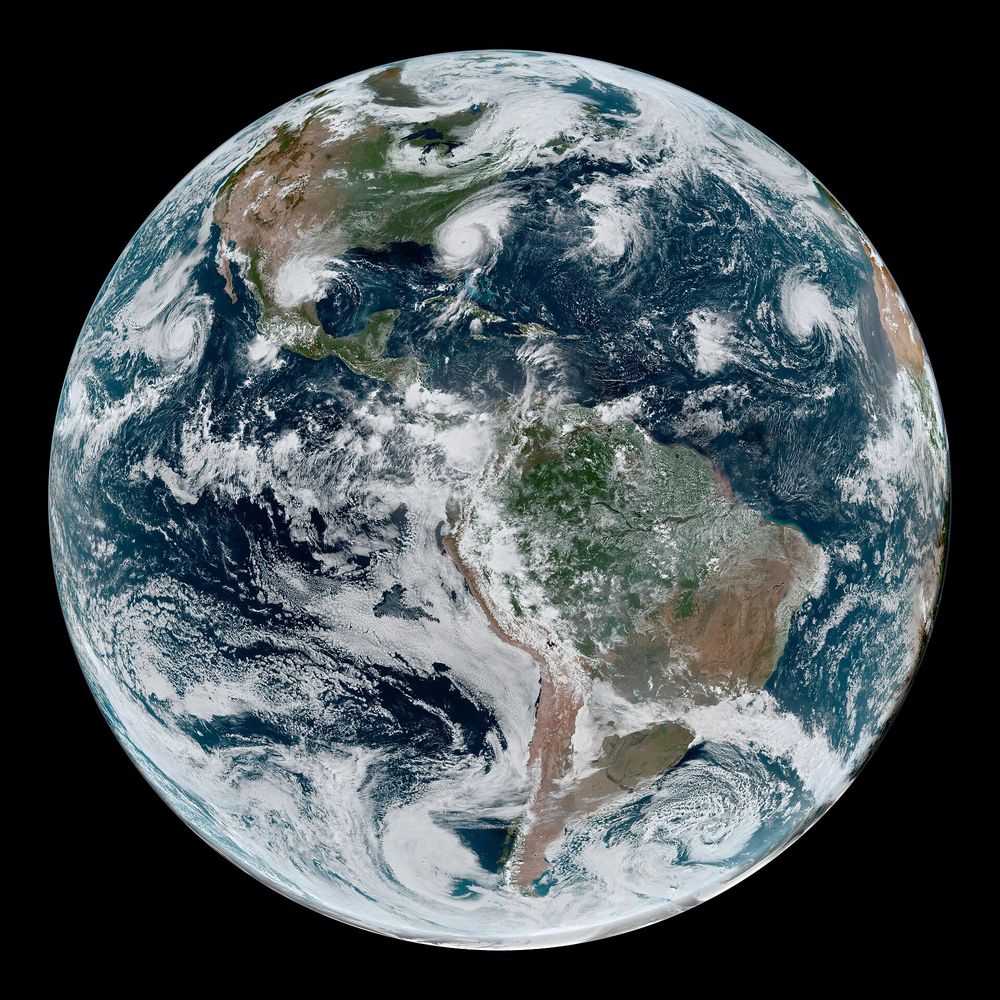
Tropical cyclone names come from pre-agreed lists, and a handful of regional bodies decide what goes on them, according to the World Meteorological Organization (WMO).[1]
The aim is practical. The WMO says naming storms has proved the fastest way to communicate warnings and raise public awareness, and that it makes tracking storms easier when several are active at once.[1] Australia’s Bureau of Meteorology makes a similar point: names help communication and reduce confusion if multiple cyclones occur at the same time.[3]
Who decides
According to the WMO’s fact sheet, naming is done by the relevant tropical cyclone regional body at its annual or biennial session. There are five: the ESCAP/WMO Typhoon Committee, the WMO/ESCAP Panel on Tropical Cyclones, the RA I Tropical Cyclone Committee, the RA IV Hurricane Committee and the RA V Tropical Cyclone Committee.[1]
These bodies set up the lists in advance. The names themselves are proposed by the national meteorological and hydrological services of WMO members.[1]
The WMO lists the factors considered for a new name: short length, ease of pronunciation, appropriate significance in different languages, and uniqueness, meaning the same name cannot be used in other regions.[1] Names are chosen for their familiarity to people in each region. The fact sheet also states that “tropical cyclones are not named after individuals”.[1]
Rules differ around the world. In the Atlantic and the Southern Hemisphere, the WMO says, names run alphabetically and alternate between men’s and women’s names. In some other regions, names follow the alphabetical order of the countries.[1]
From haphazard to lists
The WMO says storms were once named haphazardly and after the fact. Its example is an Atlantic storm that ripped the mast off a boat called Antje and became known as Antje’s hurricane. Later, storms were identified by latitude and longitude, but short names proved quicker and less error-prone.[1]
Using female names began in the middle of the 20th century, according to the WMO. Atlantic meteorologists then adopted an alphabetical list. From 1953 the US National Hurricane Center supplied the Atlantic lists, and male names were added in 1979, alternating with female ones.[1]
In Australia, the Bureau of Meteorology says the convention of naming its cyclones began in 1964 with Bessie, which formed on 6 January 1964 in Western Australia. Only female names were used until 1979.[3]
The Atlantic and Pacific lists
The National Hurricane Center (NHC) says the Atlantic lists are now maintained and updated through a strict procedure by an international WMO committee. Six lists are used in rotation and recycled every six years, so the 2026 list will be used again in 2032.[2] The 2026 Atlantic list runs from Arthur to Wilfred.[2]
The NHC publishes a separate set of six lists for the eastern North Pacific, also recycled every six years. The 2026 list there runs from Amanda to Zeke.[2] For the central North Pacific, it publishes four lists used one after another; when the bottom of one list is reached, the next name is the top of the next list.[2]
If a storm forms out of season, it takes the next name according to the calendar date. The NHC’s example is that a cyclone forming on 28 December would take a name from the previous season’s list, while one forming in February would use the following season’s list.[2]
Retiring a name
The NHC says the Atlantic lists change only when a storm is so deadly or costly that using its name again would be inappropriate for reasons of sensitivity. The WMO committee meets annually, mainly to discuss other issues, and at that meeting strikes the name and selects a replacement.[2]
The Bureau of Meteorology describes a similar rule for Australia. If a cyclone severely affects the coast, causing significant damage and potentially loss of life, its name is permanently retired and replaced with another of the same gender and first letter. The Bureau gives Larry in 2006 and Tracy in 1974 as examples.[3]
When a list runs out
The NHC says that if more than 21 named tropical cyclones occur in the Atlantic basin in a season, the extra storms take names from an alternate list approved by the WMO. In the eastern North Pacific the threshold is 24 named storms.[2]
Skipped names in Australia
The Bureau keeps an alphabetical list alternating between male and female names. It says it can take over ten years from the time a name is put on the list to its first use.[3]
A name may be skipped when its turn comes if it is not deemed appropriate, for example if it matches the name of a public figure who is in the news for a sensitive or controversial reason. It may also be skipped if a similarly named cyclone is already active in the area.[3]
A cyclone that forms in an adjacent region, such as Indonesia, is named there and keeps that name if it moves into the Australian region, the Bureau says.[3]
The Bureau’s blog post, first published on 14 January 2016 and updated on 14 October 2021, said the first cyclone of the 2022–23 season would be named Darian, as per the list.[3] The Bureau uses a hashtag beginning #Cyclone and ending in the official name, such as #CycloneDarian.[3]
Current lists for every basin are available on the WMO’s tropical cyclone naming page, which the NHC also points to for basins outside its responsibility.[1][2]