How the Ballon d'Or works
From a French journalists' vote in 1956 to a season-based global contest, the rules governing football's most coveted individual trophy have shifted dramatically.
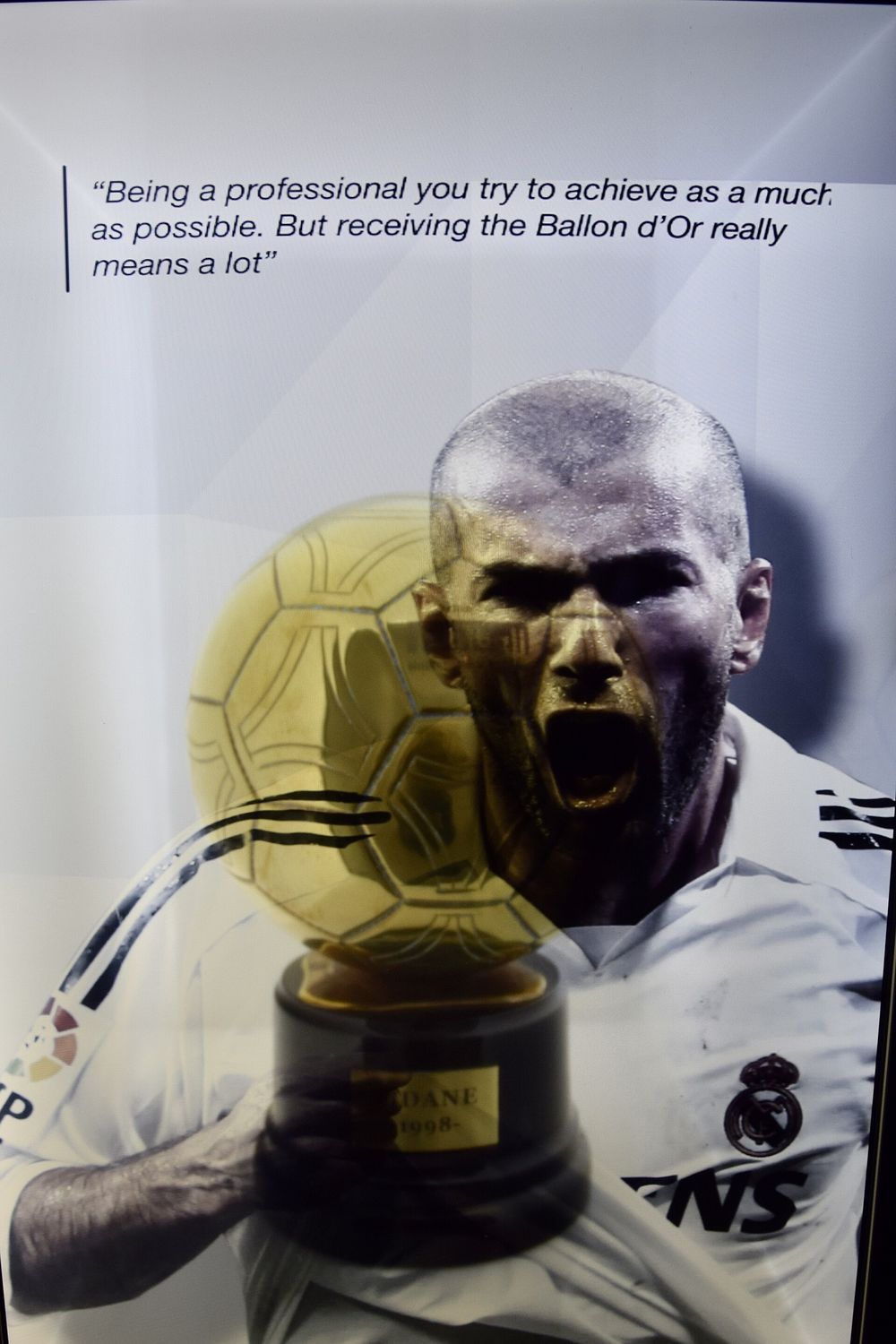
Conceived by the French sports writers Gabriel Hanot and Jacques Ferran in 1956, the Ballon d’Or has grown from an internal European poll into the most recognised individual prize in football, according to Wikipedia’s record of the award[1]. Over seven decades, the voting pool, eligibility criteria and evaluation period have undergone sweeping revisions to keep pace with an increasingly global sport.
Organised by the French magazine France Football, the accolade was created to honour the player judged to have performed best over the preceding period[1]. While the core trophy remains unchanged, the mechanics determining who lifts it have seen repeated overhauls.
Who votes and how the electorate changed
Up until 2006, the Ballon d’Or relied exclusively on a panel of specialist football journalists, according to Wikipedia[1]. In 2007, when eligibility expanded to cover professional footballers playing anywhere in the world, the voting franchise was broadened to include national team coaches and captains alongside journalists[1].
That arrangement was formalised further between 2010 and 2015, when France Football and FIFA merged their honours into the joint FIFA Ballon d’Or[1]. Following the conclusion of that partnership in 2016, FIFA restored its separate annual prize, The Best FIFA Men’s Player, while France Football returned the Ballon d’Or voting solely to journalists[1].
A notable modern refinement arrived in 2022, according to Wikipedia[1]. To streamline the jury, France Football restricted voting to one specialised journalist per country from the top 100 nations in the latest FIFA Men’s World Ranking, replacing the previous system that had been open to all countries[1]. In 2024, European football’s governing body, UEFA, began co-organising the awards gala, though France Football retained ownership of the name and voting system[1].
The judging criteria
Jurors are instructed to evaluate candidates against three specific criteria, according to Wikipedia[1]:
- Individual performances, decisive and impressive character
- Team performances and achievements
- Class and fair play
Historically, the award measured performances across a calendar year, running from January to December[1]. In 2022, France Football altered this schedule so that voting reflects the standard European football season rather than the calendar year[1].
Despite the written criteria, the award has faced recurring criticism from observers who note an inherent bias towards attacking players and describe the outcome as a “popularity contest”, according to Wikipedia[1].
Eligibility and the evolution of the honour
When Blackpool’s Stanley Matthews won the inaugural award in December 1956 at the age of 41, the prize was officially limited to European players and colloquially termed the European Footballer of the Year[1].
That restriction lasted until 1995, when France Football opened eligibility to players of any nationality who were active at European clubs[1]. That same year, Liberia’s George Weah became the first non-European player to win the award[1]. Two years later, in 1997, Ronaldo of Brazil became both the first South American recipient and the youngest winner in the award’s history at 21 years and 96 days old[1]. In 2007, the boundary fell entirely, making all professional footballers worldwide eligible[1].
Across its history, Lionel Messi leads all recipients with eight awards, followed by Cristiano Ronaldo with five, according to Wikipedia[1]. Ousmane Dembélé won the 69th edition of the men’s award on 22 September 2025[1].
The women’s award and category expansions
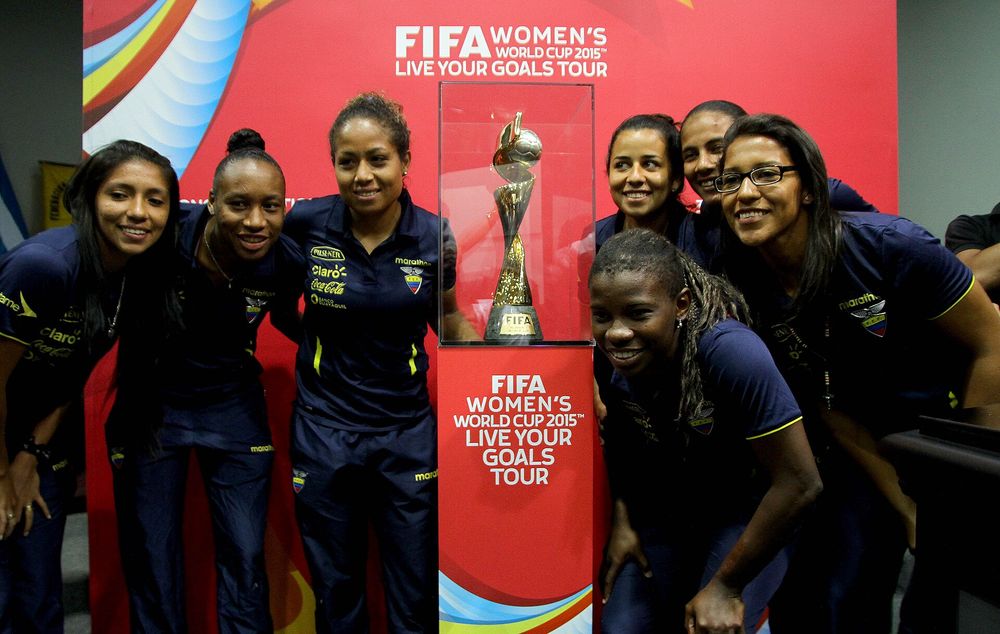
The equivalent women’s prize, the Ballon d’Or Féminin, was launched by France Football in 2018, with Ada Hegerberg named the inaugural winner, according to Wikipedia’s overview of the women’s award[2]. Barcelona’s Aitana Bonmatí became the first player to win the trophy three times, taking consecutive awards across 2023, 2024 and 2025[2].
The women’s award had faced scrutiny over scheduling conflicts, as ceremonies in 2023 and 2024 took place during international windows when many nominees were preparing for national fixtures[2]. In 2025, organisers held the gala outside the international window, allowing nominees to attend, and added female categories for the Yashin Trophy for goalkeepers—won by Hannah Hampton—and the Kopa Trophy for best young player, awarded to Vicky López[2].
According to Wikipedia, the 70th edition of the Ballon d’Or ceremony is scheduled to take place on 26 October 2026[1].