How to Read The Odyssey Without Getting Lost
Homer’s epic of shipwreck, monsters and homecoming remains literature’s most durable voyage, shaped by centuries of oral tradition.
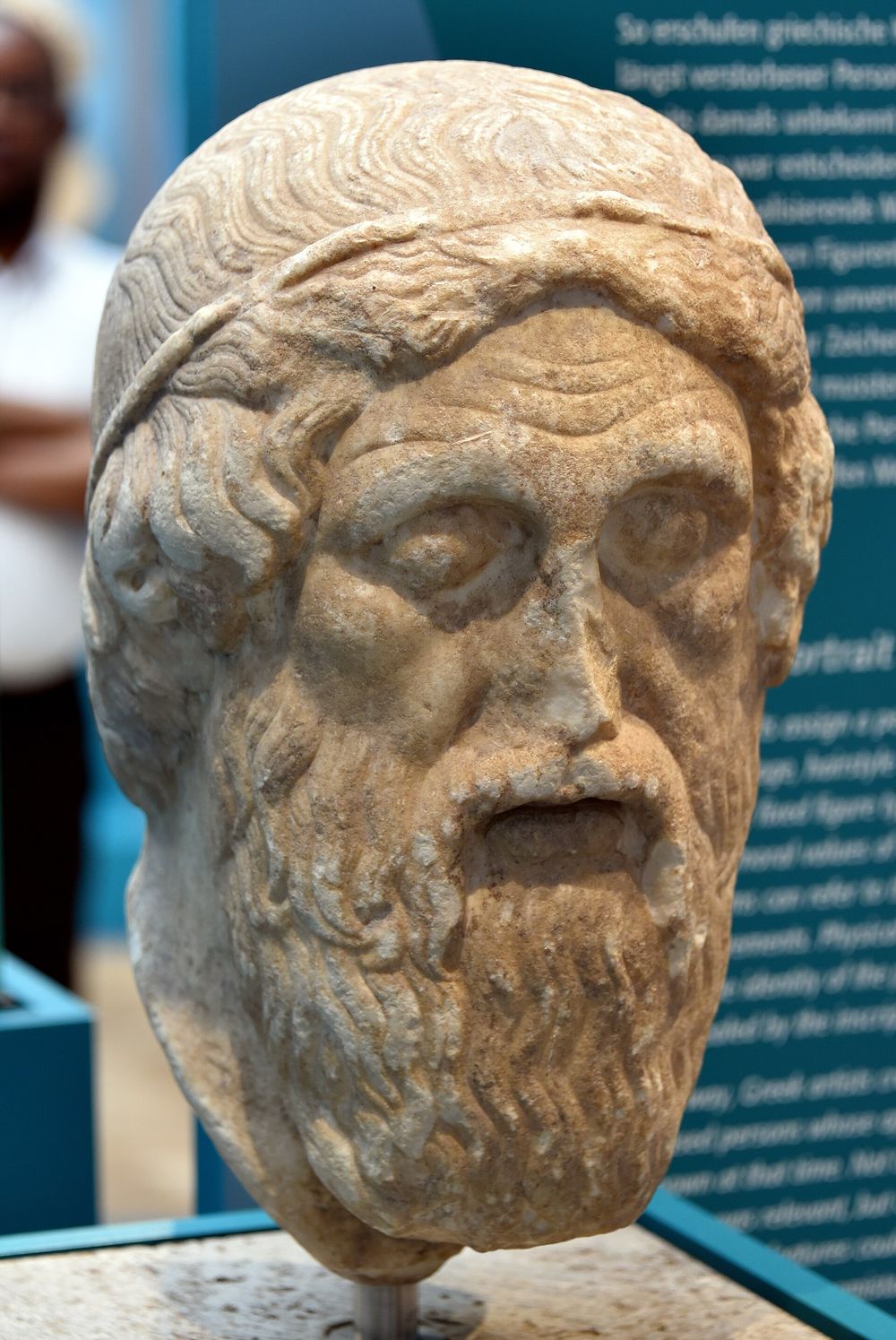
Nearly three millennia after its composition, the ancient Greek tale of a wayward king trying to sail home still anchors world literature. In 2018, when BBC Culture surveyed international critics and scholars to name literature’s most enduring narrative, the Odyssey took first place [1].
Composed in Homeric Greek around the eighth or seventh century BC, the 24-book epic recounts the ten-year journey of Odysseus, king of Ithaca, following the sack of Troy [1]. While his home island presumes him dead and suitors descend upon his palace to court his wife, Penelope, Odysseus contends with storms, divine curses and mythical captors [1]. Yet entering the epic can prove daunting for first-time readers confronted by archaic metres, nested narratives and the lingering mysteries of ancient authorship.
An Oral Masterpiece Built for the Ear
Modern readers encounter the Odyssey bound on a page, but the text began as spoken verse. Scholars broadly agree that the Homeric poems emerged from centuries of oral tradition, performed before live listeners by travelling singers known as rhapsodes or an aoidos [1].
In the early twentieth century, classicists Milman Parry and Albert Lord demonstrated that the verse relies heavily on traditional poetic formulae and stock epithets, enabling an illiterate bard to improvise extensive tales during live banquets [^1, ^2]. This oral legacy explains stylistic markers that can surprise newcomers: repeating phrases, compound adjectives and extended Homeric similes drawn from the natural world [^1, ^2]. The language itself was never a spoken vernacular, but rather an elevated literary dialect mixing Eastern Ionic and Aeolic forms [^1, ^2].
Though ancient traditions credited a single blind poet named Homer, contemporary specialists view the Iliad and the Odyssey as separate creations composed independently [^1, ^2]. Linguistic and narrative differences suggest different hands at work, each drawing from an established pool of regional myth [^1, ^2].
The Architecture of the Journey
The structure of the poem avoids linear storytelling. Rather than beginning with Odysseus departing Troy, the epic opens in medias res—in the middle of things [1].
The first four books, often referred to by scholars as the Telemachy, do not feature Odysseus directly [1]. Instead, they focus on his son Telemachus, who must navigate the predatory suitors occupying his estate before setting out across the Peloponnese to gather news of his missing father [1]. Odysseus himself enters the frame only in Book 5, held captive on the remote island of Ogygia by the nymph Calypso [1].
The most famous episodes—encounters with the cyclops Polyphemus, the sorceress Circe, the Sirens and the underworld—occupy Books 9 to 12, known as the Apologos [1]. Notably, these adventures are not recounted directly by the main narrator. Instead, they unfold as an embedded flashback told by Odysseus himself to his hosts, the Phaeacians [1].
Scholars also point out that the epic borrows heavily from wider eastern Mediterranean folklore. Classicist Martin West identified substantial parallels between Odysseus’s voyage and the Mesopotamian Epic of Gilgamesh, including journeys to the edge of the world, instructions from solar divine figures and encounters with enchantresses [1].
Key Themes to Watch
To navigate the text, readers benefit from following several central cultural concepts:
- Nostos (Homecoming): The yearning to return home drives the narrative, contrasting Odysseus’s survival with tragic returns such as King Agamemnon’s murder upon reaching Mycenae [1].
- Xenia (Guest-Friendship): The sacred ancient code governing host and visitor hospitality serves as a moral ruler. Good hosts, like the swineherd Eumaeus, offer refuge; bad hosts, such as the monstrous Polyphemus or the unruly suitors, invite catastrophe [1].
- Women and Servants: Unlike the Iliad, which focuses primarily on male warriors and kings, the Odyssey grants prominent agency to women, including Penelope and Athena, as well as enslaved members of the royal household [1].
Approaching the Text Today
Readers tackling the poem for the first time will find an abundance of interpretations. The first complete English translation appeared in 1616 [1], and translators continue to navigate the challenge of rendering Greek dactylic hexameter—a six-beat line of between twelve and seventeen syllables—into modern English prose or metre [1].
Whether exploring a modern verse rendering or an older formal text, approaching the Odyssey as an episodic, spoken performance unlocks its enduring appeal. It remains fundamentally a human portrait of survival, wit and the long road home [1].