Vikings: separating myth from history
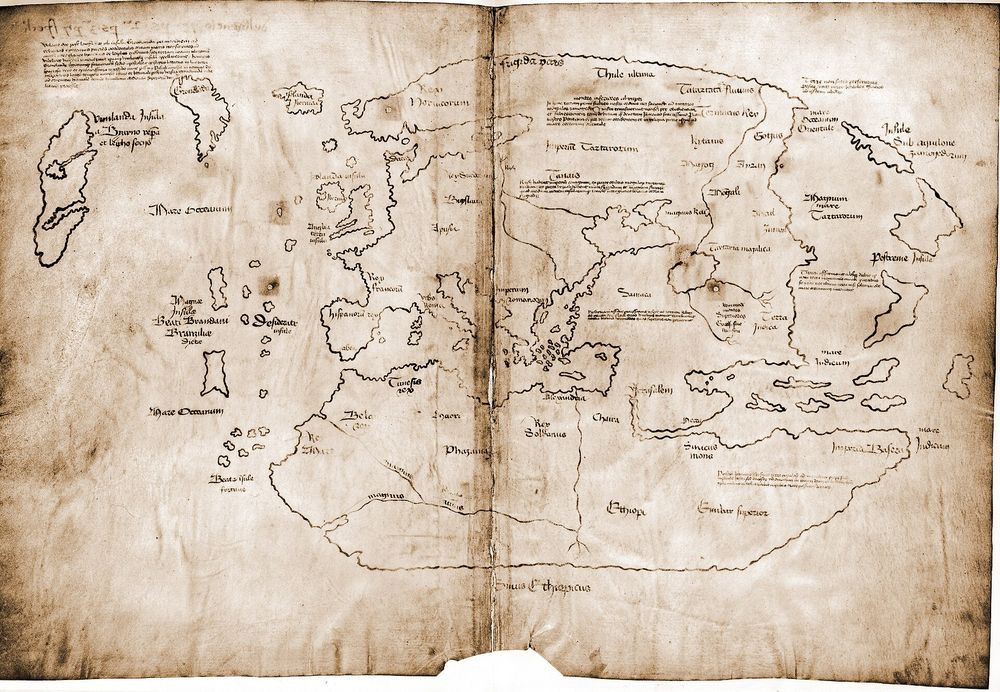
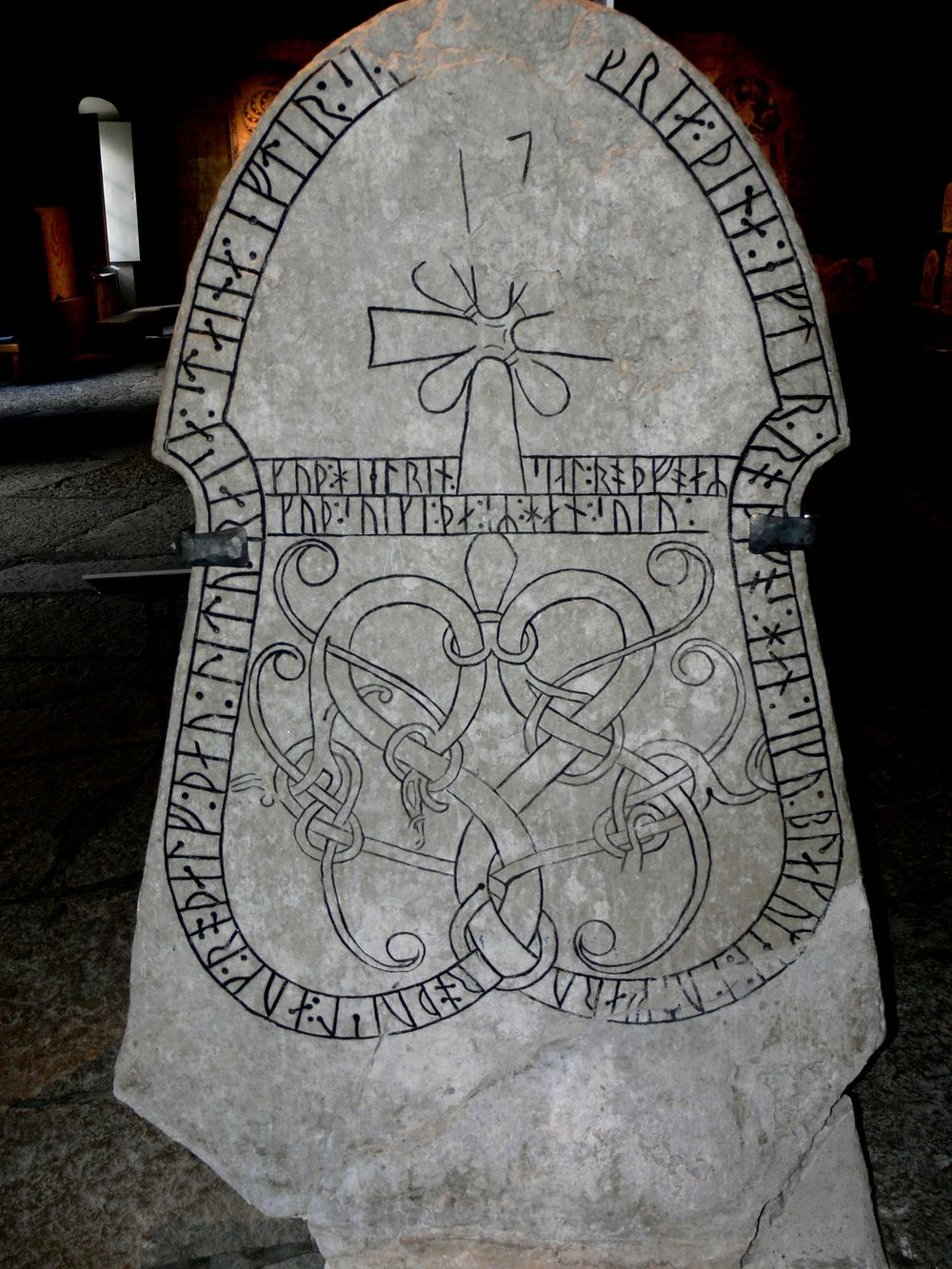
Archaeology and early texts reveal Norse societies defined by intricate trade, statecraft and seamanship rather than the opera-born image of horned marauders.

Literature, culture, stories and plenty of news.
Everything Zepy has published, newest first.
Archaeology and early texts reveal Norse societies defined by intricate trade, statecraft and seamanship rather than the opera-born image of horned marauders.
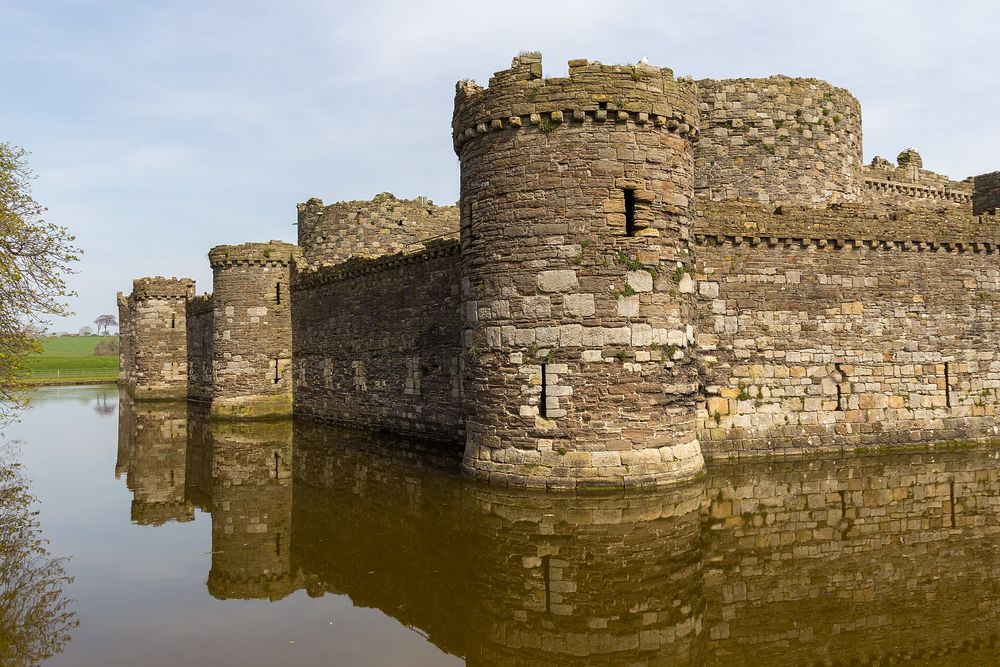
Born of feudal fragmentation, castles shifted from quick timber mottes into layered stone fortresses before gunpowder rendered them obsolete.
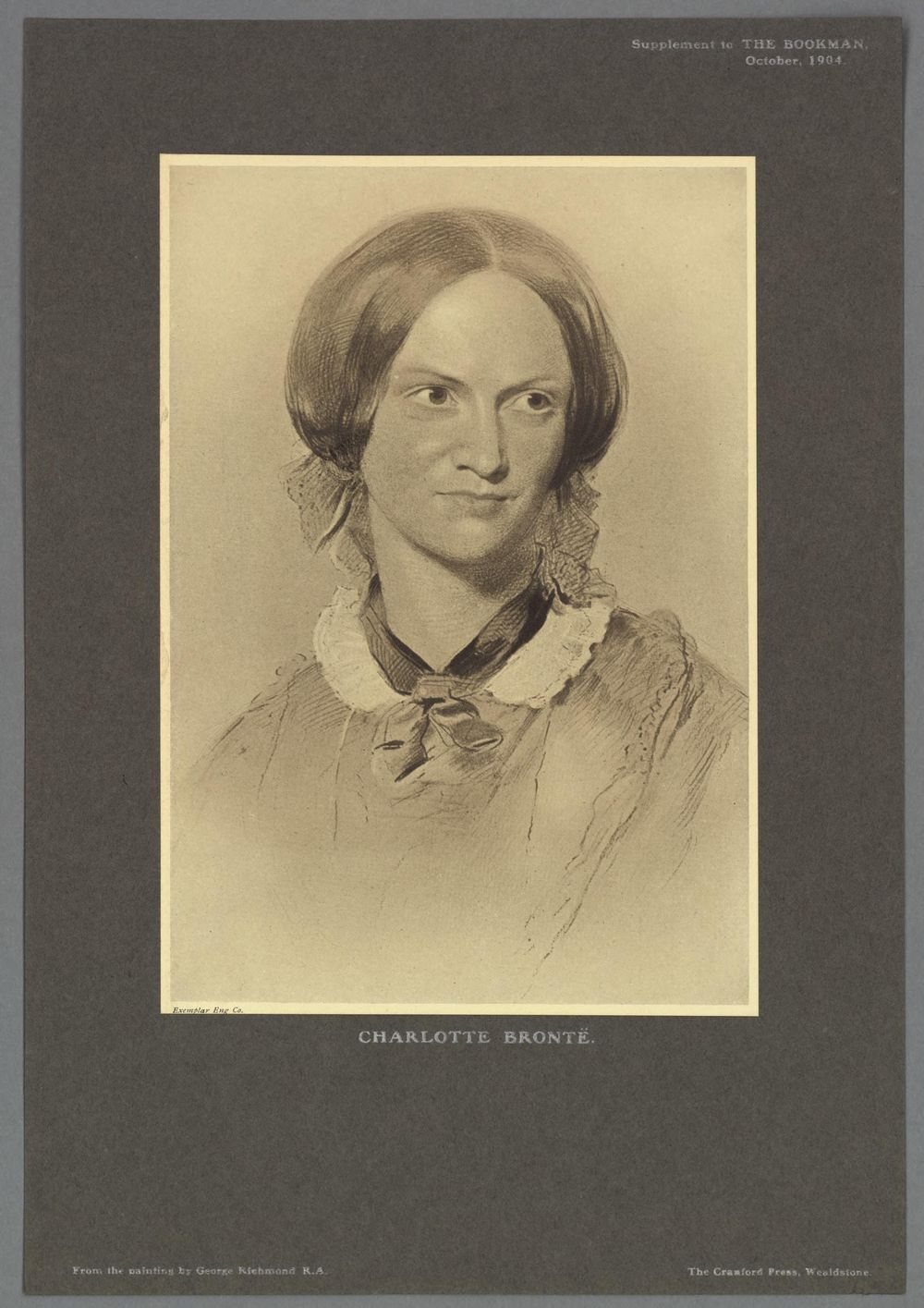
Charlotte Brontë's 1847 masterpiece transformed prose fiction through an intense study of moral independence and private consciousness.
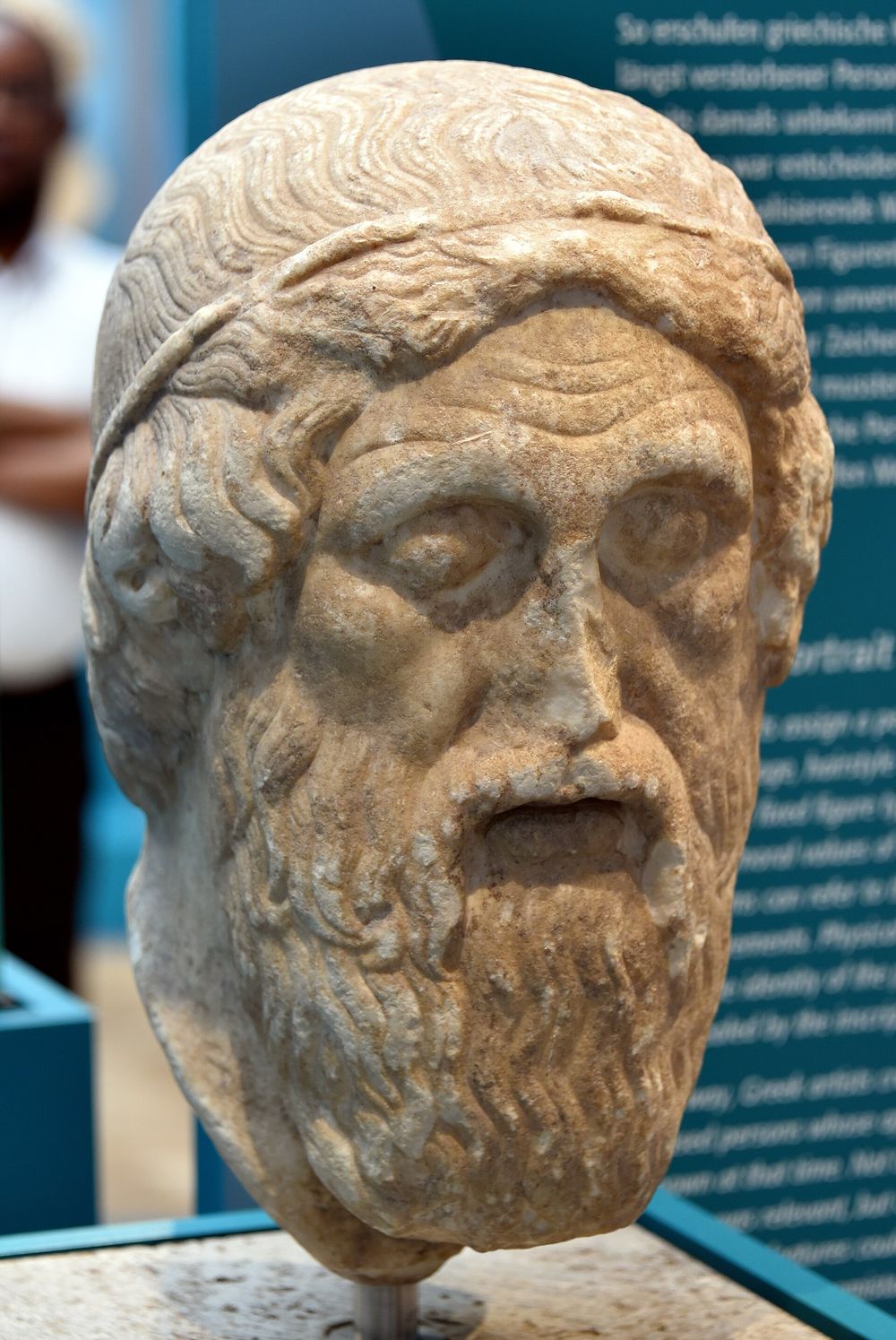
Homer’s epic of shipwreck, monsters and homecoming remains literature’s most durable voyage, shaped by centuries of oral tradition.
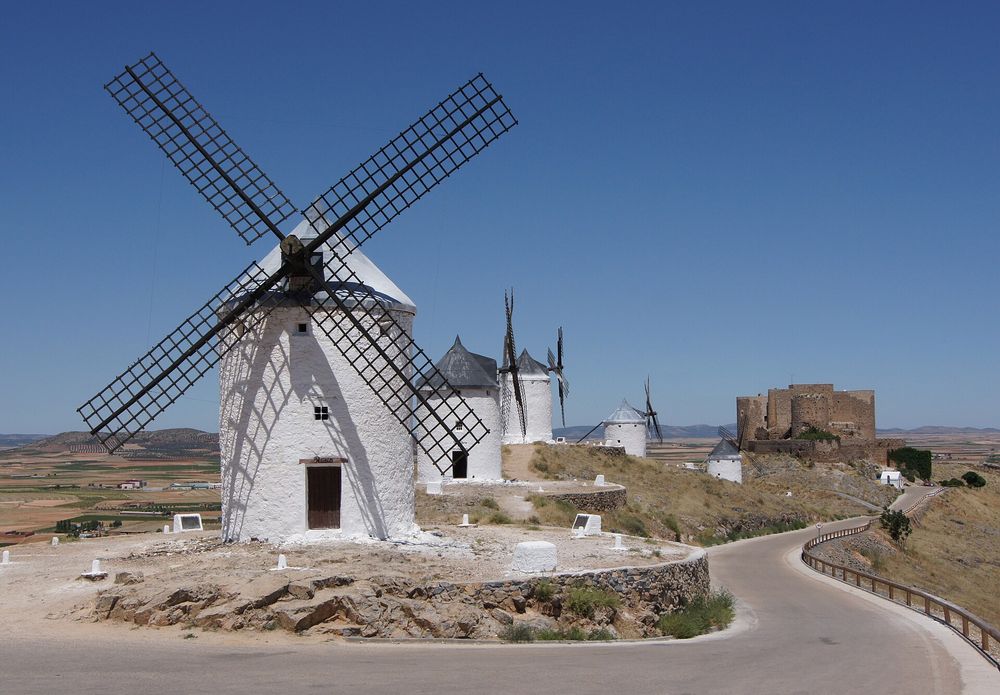
Miguel de Cervantes turned a satire of chivalric romance into a foundational masterpiece of Western fiction, blending parody, metafiction and humanity.
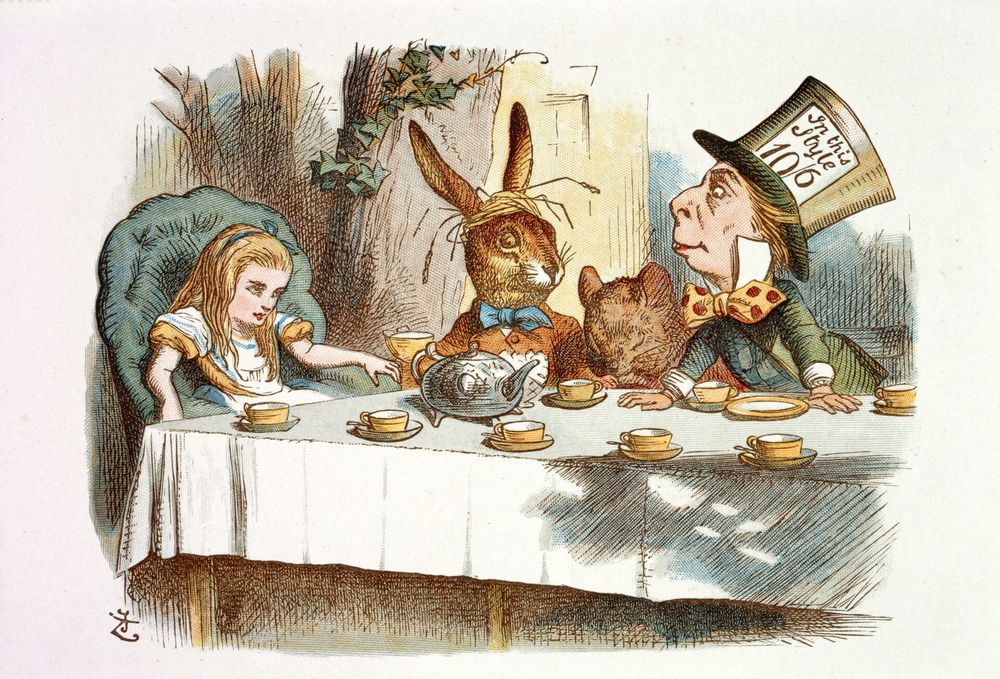
Lewis Carroll's Victorian classic dismantled children's moralising literature using rigorous logic, indelible wood engravings and mathematical nonsense.
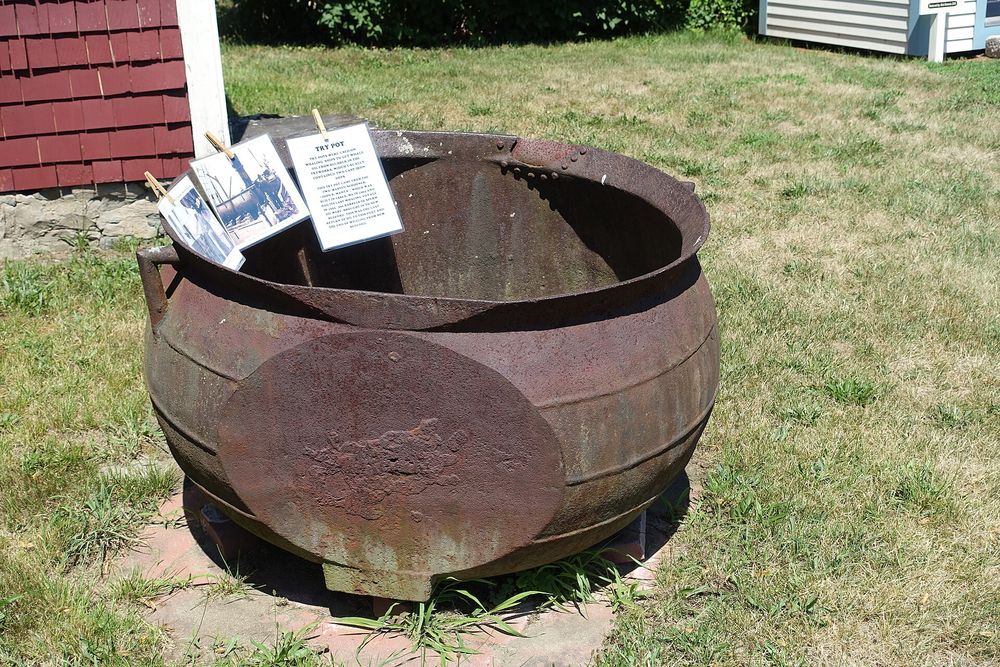
Herman Melville's maritime epic was a commercial failure in 1851, but patience and an eye for its unusual structure unlock a classic.
How an overworked London theatre manager assembled folklore, travel accounts and stage charisma into an enduring Gothic masterpiece.
How shadowy post-Roman battle lists grew into the vast medieval tradition known as the Matter of Britain.
Penned down centuries after early settlement, the family sagas and medieval eddas preserved northern myths, lineage feuds and poetic craft.
Preserved in a single fire-scarred codex, the Old English epic continues to underpin modern heroic literature.
From 19th-century romances to Tolkien and modern bestselling sagas, the genre grew around the architecture of fully realised secondary worlds.
A short selection of stories, books and ideas to carry through your week.